Hey there! As a supplier of traditional Chinese pastries, I’m super excited to share with you the mouthwatering traditional pastries from Guangxi. You see, Guangxi is a place rich in culture and history, and its pastries are like little bites of that heritage. Traditional Chinese Pastries
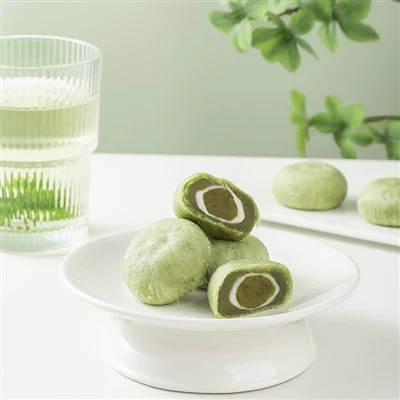
Let’s start off with Jiangmi Ci. Now, this one is a real classic. It’s made from glutinous rice, which is steamed and then pounded into a really sticky and soft dough. After that, they shape it into small, round cakes. You can either deep – fry them until they’re golden brown and crispy on the outside, or enjoy them in their soft, steamed form. Sometimes, they’re coated with a sweet syrup made from caramelized sugar, or rolled in crushed peanuts and sesame seeds. It gives this pastry a sweet, nutty flavor that’s just irresistible. I remember when I first tried Jiangmi Ci, I was blown away by how different it was from the Western pastries I’d had before. Its texture was unique, a mix of soft and chewy, and the sweet coating just took it to another level.
Another one that stands out is Guihua Gao, or Osmanthus Cake. As the name suggests, osmanthus flowers play a big role in this pastry. The osmanthus has this amazing, fragrant smell that’s both sweet and floral. To make Guihua Gao, they use glutinous rice flour, sugar, and water to make a batter. Then, they add in the osmanthus flowers. The batter is steamed until it sets, and you end up with a cake that’s soft and has this lovely, natural sweetness from the flowers. It’s not overly sweet, which I really like. It’s perfect for those who don’t have a super sweet tooth but still want to enjoy a delicious pastry. I’ve had customers who are usually not big fans of sweet things, but they just can’t get enough of Guihua Gao.
Now, let’s talk about Tieban Gao, or Iron Plate Cake. This is a bit different from the others. It’s made from mung beans, which are first soaked and then cooked until they’re soft. After that, they’re mashed into a paste. The paste is then mixed with sugar and other seasonings, and shaped into small cakes. These cakes are usually baked or fried. Tieban Gao has a savory – sweet flavor. The mung bean gives it a kind of earthy taste, and the sugar adds just the right amount of sweetness. It’s a great pastry to have as a snack, especially when you’re looking for something a bit more filling. I’ve noticed that it’s quite popular among people who like the combination of flavors in traditional Chinese snacks.
One more that I absolutely love is Nanning Sand Wiches. Mind you, they’re not your typical sandwiches. They take a piece of glutinous rice cake, which is first steamed and then sliced. Between the slices, they put a filling. The filling can vary, but it often includes a mix of meat, pickled vegetables, and seasonings. Sometimes, they’ll use ground pork, which is seasoned with soy sauce, five – spice powder, and other delicious spices. The pickled vegetables add a nice crunch and a tangy flavor. It’s a really balanced snack, with the softness of the glutinous rice cake, the savory filling, and the crunch of the pickles. I’ve had customers who are always surprised when they first try it, because they’re not used to this kind of combination in a pastry.
You might be wondering, why should you consider these pastries from my supply? Well, first of all, I source all my ingredients directly from local farmers in Guangxi. This means that the pastries have that authentic taste that you just can’t get anywhere else. I’m really passionate about preserving the traditional techniques of making these pastries. Every batch is made by hand, following the age – old recipes passed down through generations.
I also make sure that the quality is top – notch. I use only the freshest ingredients, and pay close attention to every step of the production process. Whether it’s grinding the grains for the Jiangmi Ci or carefully selecting the osmanthus flowers for the Guihua Gao, I take pride in every little detail.
The best part is that these pastries aren’t just delicious; they’re also a great way to experience Chinese culture. When you take a bite of these pastries, you’re sampling a piece of Guangxi’s history and traditions. They’re perfect for special occasions, like festivals, or just as a treat for yourself.
If you’re a restaurant owner looking to add some unique flavor to your menu, these pastries are a great choice. They can attract new customers who are interested in trying different and authentic Chinese snacks. Or maybe you’re a retailer who wants to offer something different to your customers. These pastries are sure to stand out on your shelves.
Even if you’re just someone who loves trying new foods, I guarantee that once you try these pastries, you’ll be hooked. They’re a great way to expand your palate and discover new tastes.
So, if you’re interested in purchasing these amazing traditional Chinese pastries from Guangxi, don’t hesitate to reach out. We can have a chat about your needs, whether it’s a small order for your family gathering or a large – scale order for your business. I’m here to make sure you get the best quality pastries at a reasonable price.

Let’s start a conversation and see how these delicious pastries can bring a touch of Guangxi to your life or business!
Baked Pastries References:
- "Traditional Chinese Snacks: A Cultural Exploration" by local Guangxi food historians
- Interviews with local pastry makers in Guangxi
Fujian Luchen Food Co., Ltd.
As one of the most professional traditional chinese pastries manufacturers and suppliers in China since 1986, our products have good reputation in the market. Please feel free to wholesale bulk delicious traditional chinese pastries from our factory. Good service and quality products are available.
Address: No. 19, Shangxipulou, Nansheng Town, Pinghe County, Zhangzhou City, Fujian Province
E-mail: service@xmnahan.com
WebSite: https://www.luchenbakery.com/
