As a panoramic elevator supplier who’s spent over a decade walking clients through everything from small office additions to multi-story residential builds, one question comes up more than any other when it comes to 3-story structures: “What’s the real cost of a panoramic elevator?” I’ve heard too many people throw out generic numbers online that skip all the critical details that make this purchase different from a standard, boxy freight or passenger elevator. Panoramic elevators aren’t just a way to move between floors—they’re a design feature, a safety upgrade, and a selling point for your building. For a 3-story building, there’s no one-size-fits-all price tag, but breaking down every factor will give you a clear, realistic picture of what you’ll actually pay—no hidden fees, no vague estimates. Panoramic Elevators
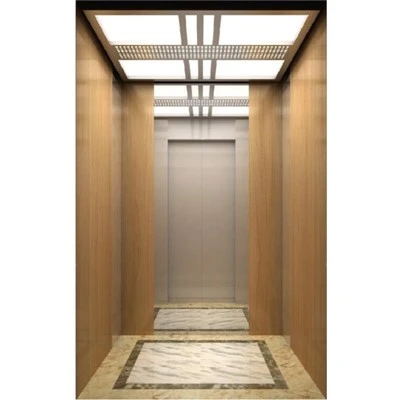
First, let’s start with the basics: what defines a “3-story panoramic elevator” for this use case? Most 3-story buildings here in the U.S. are either small commercial spaces (like a neighborhood dental office, a boutique retail shop, or a 3-unit condo building), light industrial flex spaces, or even multi-family homes with a separate guest wing. Each of these has unique needs, but the core variables that shape cost fall into four categories: the elevator unit itself, site-specific installation work, custom design elements that make panoramic elevators valuable, and ongoing maintenance that protects your investment. I’ll break each down with numbers I’ve quoted to clients this year, so you can see real-world context.
The core elevator unit is the first big line item, and it’s not just a price for the car itself—it’s the entire system that makes it run. For a 3-story building, most clients opt for a hydraulic panoramic elevator or a traction panoramic elevator, and the choice here shifts the base cost dramatically. Let’s get specific: hydraulic models, which use fluid pressure to lift the car, are the go-to for 3-story builds because they’re cheaper to install upfront, especially if your building doesn’t have a penthouse or extra space for a machine room on the top floor. For a standard hydraulic panoramic elevator with a 1,000-pound capacity (that fits up to 6 adults, which is perfect for small commercial or condo use), the unit price ranges from $35,000 to $50,000. That includes the car frame, the panoramic glass panels (usually tempered glass, which is non-negotiable for safety), the hydraulic pump, and the control system. If you need a higher capacity—say, for a retail space that will carry shopping carts or for a disability-accessible unit that fits a wheelchair and a helper—you’re looking at $45,000 to $60,000 for the hydraulic unit.
Traction elevators, which use steel cables and a motor in a machine room, are less common for 3-story builds because they require a dedicated machine room on the top floor, adding to upfront costs, but they’re more energy-efficient long-term and better for higher-frequency use (like a multi-unit condo with 10+ residents). For a traction panoramic elevator of the same 1,000-pound capacity, the unit price starts at $55,000 and can go up to $75,000, depending on the motor quality and control system. That extra cost is worth it if your building will see 50+ trips a day, but for most small 3-story spaces, hydraulic is the smarter base choice.
Now, this is where most online estimates fall short: the site-specific installation work. Even if you buy a $40,000 elevator, half your total cost could come from preparing your building to fit it. Let’s walk through the common variables here, all of which I’ve dealt with on 3-story builds. First, the shaft. Panoramic elevators need a structure to house the car and keep it stable, and for 3-story buildings, you have two options: an exterior shaft (mounted on the side of your building, which is the whole point of a panoramic elevator—great for exterior views and space-saving) or an interior shaft (within your building’s core, which hides the views but is easier to tie into existing structure).
If you’re building a new 3-story structure from scratch, an exterior steel or aluminum shaft (the most common for panoramic builds) will add $15,000 to $30,000 to your cost. If you’re retrofitting an existing 3-story building, that number jumps—retrofitting an exterior shaft means cutting into the building’s siding, reinforcing the foundation to support the shaft’s weight (panoramic elevators add 10,000 to 15,000 pounds to your structure, so foundation checks are non-negotiable), and maybe even getting city permits for exterior modifications. Retrofitting an interior shaft is a little cheaper, at $10,000 to $20,000, because you’re working within existing walls, but you’ll still need to reinforce the floor openings between each story to prevent structural issues.
Next, permits and inspections. I can’t tell you how many clients have skipped this step only to get hit with a $2,000 fine for unpermitted elevator work. For a 3-story panoramic elevator, you’ll need building permits, electrical permits, elevator safety permits, and sometimes zoning permits if it’s an exterior shaft. The cost varies by location—urban areas like New York or San Diego will charge you $3,000 to $5,000 in permits, while smaller towns might be $1,000 to $2,500. Add another $1,500 to $3,000 for inspections throughout installation, including a final state elevator safety inspection before you can use the unit. That’s a non-negotiable cost, no way around it.
Then there’s the custom design work, which is why panoramic elevators are worth the extra cost compared to standard elevators. The whole point of a panoramic elevator is the glass, right? So standard glass (clear, 1/2-inch tempered) is included in the unit price, but most clients upgrade for extra visibility or durability. For example, tinted glass for sun exposure (great for buildings in sunny climates) adds $1,000 to $2,500. If you want low-iron glass, which is crystal clear instead of slightly green, that’s another $1,500 to $3,000. You can also upgrade the car’s interior: stainless steel walls instead of aluminum, custom handrails, LED lighting, or even a digital display for floor numbers. These upgrades add $2,000 to $10,000, depending on how fancy you want it.
Another big design choice: the exterior finishes for the shaft. If your building has a specific aesthetic, you can clad the exterior shaft in wood, stone, or metal to match your building’s facade. For a 3-story exterior shaft, that adds $5,000 to $15,000. If you’re looking for ADA compliance (which you need if your building is open to the public), that’s already included in most units, but you might need to add tactile flooring at the entrances or audio announcements for visually impaired users, which are another $500 to $1,500.
Now, let’s add all these up for a realistic mid-range 3-story panoramic elevator, the kind I quote to most small commercial and condo clients this year. If you’re building new, hydraulic unit with 1,000-pound capacity: $42,500. Exterior steel shaft (new build): $22,500. Permits and inspections: $4,000. Basic glass (clear) and standard interior: included, so total is $69,000. If you’re retrofitting an existing 3-story building, that total jumps to $85,000 to $95,000, because of the extra foundation and structural work. If you want upgrades—like tinted glass, stainless steel interior, or stone cladding—add $7,000 to $15,000, bringing a fully customized new build to $76,000 to $84,000, and a retrofit to $92,000 to $110,000.
Wait, but I should mention the outliers, because not every 3-story build is the same. For example, a small residential 3-story home (just you, a partner, and maybe kids) might opt for a smaller 750-pound capacity hydraulic elevator, which cuts the unit cost to $28,000 to $38,000. Shaft work for a home is also cheaper—$8,000 to $15,000, since home foundations are smaller. A home panoramic elevator would be $40,000 to $60,000, all in, if it’s a new build. On the other end, a 3-story building with high traffic—like a small café or a multi-unit condo with 12 residents—might go for a 1,200-pound traction elevator, adding $10,000 to $15,000 to the total, bringing it to $85,000 to $100,000 for a new build.
Now, what about ongoing cost? A lot of people forget that a panoramic elevator is a piece of equipment, so you need to budget for maintenance. For a 3-story hydraulic panoramic elevator, annual maintenance is $800 to $1,500, which includes quarterly inspections, fluid top-offs, and minor repairs. Traction elevators are a little more, at $1,200 to $2,000 a year, because the cables and motor need more frequent checks. You should also budget for a 5- to 10-year overhaul, which costs 10 to 15% of the original unit price—so for a $40,000 hydraulic unit, that’s $4,000 to $6,000 every 10 years. That’s a small cost compared to the value an elevator adds to your building, but it’s something to factor into your long-term budget.
Let me also address a common question: is a panoramic elevator more expensive than a standard elevator? The short answer is yes, usually 15 to 25% more, but it’s not just for looks. Panoramic elevators don’t just move people—they add curb appeal to your building, boost resale value, and provide a safe, easy access for people with mobility issues. For a small commercial building, that could mean more customers who can visit your space. For a condo building, it’s a huge selling point that can add 5 to 10% to the value of each unit. I’ve seen clients recoup the extra cost of a panoramic elevator in 5 to 7 years, either from increased business or higher property values.
Now, some red flags I see clients ignore that add extra cost later. First, skipping a site survey before you buy. I can’t tell you how many times a client picks a unit without checking their building’s foundation capacity, only to find out they need $10,000 in foundation repairs to support the elevator. Always get a structural engineer to check your site before you get a quote. Second, going with a cheap, uncertified installer. A lot of fly-by-night companies will undercut prices but skip inspections, leading to fines or even safety hazards. All our installers are certified by state elevator boards, and we handle every permit and inspection step for you, so you don’t have to worry about missing deadlines or getting fined. Third, choosing low-quality glass or parts. Cheaper glass might crack in extreme weather, and a low-quality control system could break down regularly, leading to more repair costs down the line. We use only tempered, code-approved glass and parts that come with a 5-year warranty, so you don’t have to pay for replacements early.
At the end of the day, there’s no exact number for your 3-story panoramic elevator, because every building is different. The best way to get an accurate quote is to share your building type, whether it’s new construction or a retrofit, your capacity needs, and any custom design wants with a reputable panoramic elevator supplier. If you’re ready to move forward, we can schedule a free site visit to check your foundation, measure your shaft space, and give you a personalized quote that includes every cost, no hidden fees. We’ve installed hundreds of panoramic elevators on 3-story buildings across the country, and we make the process as smooth as possible—from design to installation to ongoing maintenance.
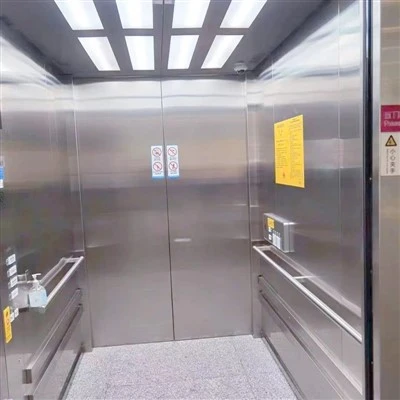
Hospital Elevator For more detailed information, peer-reviewed studies on elevator energy efficiency and structural load requirements:
- International Code Council. (2021). International Building Code Chapter 30: Elevators and Conveying Systems.
- National Elevator Industry, Inc. (2022). Panoramic Elevator Performance and Safety Standards.
- American Society of Civil Engineers. (2021). Structural Load Guidelines for Building Elevator Installations.
- U.S. Access Board. (2023). ADA Standards for Accessible Design, Elevator Provisions.
- Department of Energy. (2022). Energy Efficiency Benchmarks for Hydraulic and Traction Elevator Systems.
Ningbo Dongao Elevator Co., Ltd.
As one of the most experienced panoramic elevators manufacturers and suppliers in China, we also support customized service. We warmly welcome you to buy high quality panoramic elevators for sale here from our factory. For quotation, contact us now.
Address: No. 16 Xiapan Road, Ninghai County, Ningbo City, Zhejiang Province
E-mail: 13777289058@163.com
WebSite: https://www.daelevator.com/
