If you’ve ever been deep in a spec build—whether it’s a street-driven F-150 that sees the occasional track day, a track-only time attack car, or even a modified SUV that hauls a extra 500 lbs of gear to off-road trails—you’ve probably stared at big brake kit (BBK) options at one point. The numbers are tempting: bigger rotors, thicker calipers, more piston count, maybe even that flashy six-piston set that glows like a neon sign behind your wheels. As someone who’s been in the BBK game for over 10 years, I get the impulse. More stopping power = more confidence, right? But here’s the thing I see every single day: way too many people buy a BBK that’s way too big for their actual needs, and it’s not just a waste of money—it can actually hurt performance. Let’s break it down. Big Brake Kit
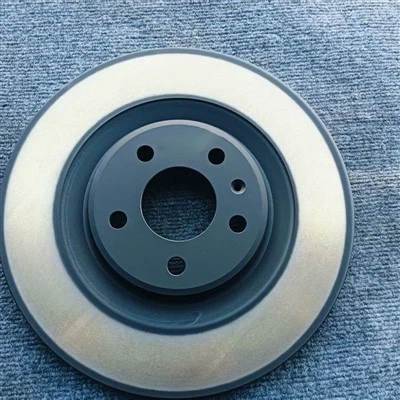
First, let’s get the basics straight. What makes a brake kit work? It’s not just the size of the rotor. Stopping power comes from two main things: torque (that’s rotor radius times clamp force from the caliper) and heat capacity. Big rotors hold more heat, which is good for hard driving, but they only do that if you can actually get the friction material on the pads working with them. If you slap a 15-inch rotor on a car that came with 11-inch stock, and you only ever drive it to the grocery store, you’re not getting any benefit from that extra size. In fact, you might be making things worse.
Let’s talk about a super common mistake: people swapping up to a six-piston caliper on a daily driver that never sees more than a few hard stops a month. Six-piston calipers clamp way harder than the stock two-piston ones, but they only work if the pads and rotors can handle the pressure. On a car that never gets driven hard, the brakes barely heat up. That means the pads stay cold, hard, and don’t wear evenly. You’ll end up with uneven pad wear, noisy brakes, and even vibration under light stopping—stuff you never had with stock brakes. And those big calipers? They’re heavier. Oh yeah, unsprung weight. That’s the stuff on the wheels and suspension that doesn’t get supported by the springs. Extra unsprung weight makes your car handle worse, slows down steering response, and can even mess with your suspension geometry over time. I’ve seen guys put a 15-lb BBK on a car that only needed a 8-lb upgrade, and wonder why their lap times got slower. It’s not rocket science—more weight where you don’t need it = worse performance.
Another big one is rotor size vs. wheel clearance. This is such a simple thing, but so many people skip measuring. You can’t just buy the biggest rotor you see because it looks cool. You have to make sure it fits inside your wheels. I can’t tell you how many times someone emails me panicking because their 14-inch rotor won’t fit under their 18-inch wheel, and their 19-inch wheel is too small for the 15-inch rotor they picked. We always list the wheel requirements on our site, but a lot of people skip that part. They just want the biggest, shiniest thing, and they end up having to return the whole kit. That’s a waste of time and money, not to mention the hassle. Even if you get the rotor in the wheel, you have to check the caliper clearance too. A big six-piston caliper might rub on the back of the wheel’s spokes, or the lug nuts, or even the hub assembly. We had a customer last year who installed a BBK on his Mustang, and he had to grind down three of his lug nuts because the caliper was hitting them. That’s not safe.
Now, let’s get into the science part—because it’s not just about looks. The main job of a brake kit is to dissipate heat. When you brake, the kinetic energy of your moving car turns into heat. If that heat builds up too fast, your brakes fade—they stop working as well, which is super dangerous on a track or a mountain road. A bigger rotor can hold more heat, but only if you can keep the brakes hot enough to work properly. If you’re a street driver who only does the occasional hard stop, you’ll never get the brakes hot enough to benefit from that extra rotor size. You’ll just have extra unsprung weight, worse wheel fitment, and a way higher price tag.
I always use this example: a track car that does 20 laps at a time. That car needs a big BBK, six-piston calipers, 14-inch rotors, because it’s constantly braking hard, building up tons of heat, and needs to dissipate it fast. A street car that commutes 20 minutes a day and only goes to a track twice a year? It doesn’t need that. It needs a kit that’s sized for its weight, its average stopping needs, and its wheel size. A four-piston kit on a 13-inch rotor is more than enough for most daily drivers, and it’s lighter, cheaper, and works way better in normal driving conditions.
Wait, but what about people who want to upgrade their brakes for safety, not just performance? That’s a valid point. A lot of people think “bigger = safer,” but that’s not always true. If your stock brakes are worn out, upgrading to a properly sized BBK will make you safer. But upgrading to a way too big BBK for your needs won’t make you any safer in normal driving. It’ll just make your brakes work harder than they need to, which can lead to premature wear on the pads, rotors, and even the calipers.
Another thing I see all the time is pad compound mismatch. If you have a huge rotor and a high-performance pad, but you’re only using your car for normal driving, the pad will glaze over. Glazing is when the pad gets a shiny, hard layer on the surface that doesn’t grip the rotor well, making your brakes feel spongy or unresponsive. We always suggest pad compounds based on how the car is used, but if someone buys a track pad for a street car, they’re going to have a bad time. That track pad only works when it’s hot—on cold streets, it’s basically useless. And if you have a big rotor that’s too heavy, even a good pad can’t make up for the extra unsprung weight slowing your car down.
Let’s talk cost, too. A top-of-the-line six-piston BBK with 15-inch rotors can cost 2-3 times more than a properly sized four-piston kit for the same car. That’s a huge difference. If you’re a track rat who needs that extra performance, the cost is worth it. But if you’re just a daily driver who wants better brakes than stock, that extra money is completely wasted. You could put that money into better tires, which will actually make your car stop faster and handle better. Tires are the only part of your car that touches the road, so upgrading them will give you way more real-world benefit than a BBK that’s too big.
Wait, but what about people who modify their cars for power? If you’ve got a 500-hp car, you need better brakes, right? Yeah, that’s true. A stock brake kit on a 500-hp car is going to struggle. But that doesn’t mean you need the biggest BBK available. You need a kit sized for the weight and power of your car. A 500-hp sports car might need a four-piston kit with 13-inch rotors, not a six-piston 15-inch set. The extra piston count might not be necessary, and the extra rotor size will add unsprung weight that hurts acceleration and handling. It’s all about balance.
I remember a customer a few years back who had a modified 370Z. He cranked up the power to 450 hp, and decided he needed a massive BBK to match. He bought a 16-inch six-piston kit, spent $3,500 on it, and installed it. He brought the car to us a month later complaining that it was slower around the track than it was with stock brakes. We checked it out, and sure enough, the unsprung weight of the big rotor and caliper added over 12 lbs to each wheel. That’s 48 lbs of extra unsprung weight total—more than enough to kill his acceleration and lap times. We swapped it out for a properly sized four-piston kit with 14-inch rotors, and his lap times dropped by two whole seconds per lap. He ended up saving almost $2,000, and his car was way faster. That’s the kind of thing I see all the time—people chasing the “bigger is better” myth, and ending up worse off.
So how do you know if a BBK is the right size for your car? First, figure out how you actually use your car. Are you a daily driver? A occasional track day enthusiast? A full-time racer? If you’re a daily driver who rarely does hard stops, stick to a kit that’s sized for your car’s stock weight and power, with a mild pad compound that works well cold. If you go to the track once a month, you can go up a size, but don’t jump from a 12-inch to a 15-inch rotor. If you’re a full-time racer, then yes, go as big as you need—just make sure it fits inside your wheels and doesn’t add too much unsprung weight.
Second, measure your wheels before you buy. Every BBK has a minimum wheel size requirement. If you have 18-inch wheels, don’t buy a BBK that needs 19-inch wheels. It doesn’t matter how cool it looks—it won’t fit. And don’t forget to check the backspace on your wheels. That’s the distance from the mounting surface to the back of the wheel. A big caliper might need more backspace, so if your wheel has low backspace, it won’t fit no matter what the wheel size is. We always include backspace requirements in our product descriptions, and we tell customers to measure their wheels twice before they buy. It’s basic, but it’s so important.
Third, talk to people who actually know what they’re talking about. Not the guy on Instagram with the flashy build, not the forum post that says “bigger is always better.” Talk to a reputable BBK supplier (hi, that’s us) who asks you about your car, how you drive it, what wheels you have, and gives you a recommendation based on real data, not hype. We’ve been doing this for years, and we can tell you exactly what kit you need for your specific use case. We’ve seen the mistakes, we’ve fixed the mistakes, and we know what works.
Let’s circle back to the original question: can a BBK be too big? The short answer is hell yes. It’s not just about the rotor size or the caliper count. It’s about matching the kit to your car, your driving style, and your needs. A BBK that’s too big is a waste of money, it can hurt performance, it can cause fitment issues, and it’s not even safe for normal driving. The whole point of upgrading your brakes is to make them better than stock—faster stopping, less fade, better feel. If you buy a kit that’s too big, you’re not achieving that goal. You’re just spending more money for a shiny piece of hardware that doesn’t do what you need it to.
At the end of the day, there’s a time and a place for a massive BBK. If you’re racing, if you’re hauling heavy loads on a regular basis, if you’re driving a car that’s modified for way more power than stock—then go for it. But if you’re just a regular driver who wants better brakes than the stock ones that wear out every 30,000 miles, don’t fall for the “bigger is better” myth. Get a kit that fits, that works for how you drive, and that won’t add unnecessary weight or cost.

If you’re in the market for a new brake kit and you’re not sure what size is right for your car, hit us up to chat. We’ll walk you through all the requirements, answer your questions, and help you pick a kit that actually works for you—no hype, no nonsense, just straight-up advice from people who’ve been in the game long enough to know when bigger is too much.
Brake Disc References:
- Tire Rack. (2022). Brake Upgrade Guide: Choosing the Right Brake Kit for Your Vehicle and Usage. Retrieved from automotive engineering resources for performance brake systems
- SAE International. (2019). The Effects of Unsprung Weight on Vehicle Dynamic Performance. Paper presented at the SAE International Congress and Exposition
- Brake Design and Safety. (2021). Heat Dissipation Capabilities of Rotor Size and Caliper Piston Count. Journal of Automotive Engineering Research
Dongying Hongta Automobile Fitting Co., Ltd.
We’re known as one of the most professional big brake kit manufacturers and suppliers in China, also support customized service. Please feel free to wholesale durable big brake kit for sale here from our factory. For price consultation, contact us.
Address: No. 817 Bingsheng Road, Guangrao Economic Development Zone, Guangrao County, Dongying City, Shandong Province
E-mail: Amanda_song@hongtabrakes.com
WebSite: https://www.hongta-brake.com/
