Alright, let’s cut to the chase – if you’ve ever stared at a spec sheet for industrial grating, you’ve probably asked this question: carbon steel vs aluminum, which one do I need? As a carbon steel grating supplier who’s been deep in this game for over a decade, I get it. Everyone’s confused, and half the time it’s because people treat these two like they’re interchangeable. Newsflash: they’re not. And picking the wrong one could cost you way more in the long run. Let’s break this down like I’m chatting with you over a cold beer after a long day on the job. Carbon Steel Grating
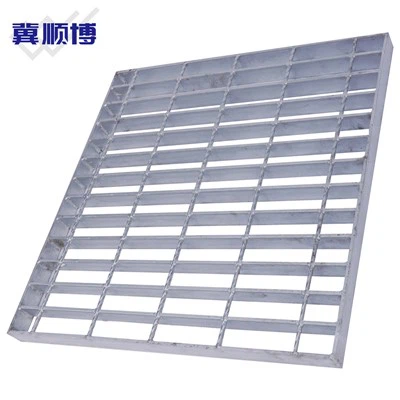
First, let’s start with the basics so we’re all on the same page. Carbon steel grating is exactly what it sounds like – steel with a small amount of carbon mixed in (usually under 2%, for anyone who cares about the nitty gritty) to make it strong and durable. It’s the workhorse of the industrial world. Aluminum grating, on the other hand, is pure aluminum or aluminum alloy, light as a feather compared to steel, and has that shiny, corrosion-resistant look everyone associates with soda cans or window frames. But looks can be deceiving, right?
Let’s talk strength first – because that’s the number one thing people need when they’re putting grating in a factory floor, a loading dock, or a catwalk over a production line. I’ve had guys come to me saying “aluminum’s strong enough, right?” and I have to pull out the numbers. For the same weight of grating, carbon steel is like 3x stronger than aluminum. Wait, let’s make that real – if you have a 3’ x 6’ section of grating that needs to hold 1,000 lbs, a carbon steel panel (standard pressure-locked type) will do that no problem without bending an inch. A similar-sized aluminum panel? You’d need a way thicker gauge, which would cut into that “lightweight” benefit people love. And forget about heavy loads – like if you’re driving a forklift over that grating? Aluminum is toast. I’ve seen it happen. A food processing plant tried aluminum grating in their loading dock a couple years back (not my call, they went with another vendor) and within 6 months, the slats were bowing so bad they had to replace the whole thing. Carbon steel? We’ve got panels at a port that are 20 years old, holding up trucks no problem. That’s the strength difference.
Next up, weight. This is where aluminum shouts loud – it’s way lighter. Like, 1/3 the weight of carbon steel. So why wouldn’t you pick aluminum for that? Well, unless you’re installing grating on a second story of a building where the load-bearing structure is weak, that “light” benefit becomes a headache. Wait, let’s think: installing carbon steel means you might need a couple guys to haul it around, whereas aluminum is one person’s job. But if you’re looking at long-term, the extra labor to install carbon steel is nothing compared to the cost of replacing aluminum every few years. Also, aluminum is soft – I’ve had guys drop a wrench on aluminum grating and make a dent. Drop the same wrench on carbon steel? Nothing, not even a scuff. So if you’re in a place where people are hauling heavy tools or equipment around, aluminum just doesn’t hold up.
Corrosion is the big one people argue about. Aluminum is famous for being corrosion-resistant, right? It forms that thin oxide layer on its surface that stops rust in its tracks. Carbon steel? That’s the one that rusts. But hold on – don’t write off carbon steel yet. Because “corrosion-resistant” aluminum only works in certain environments. If you’re in a place with saltwater (like a marina or coastal facility), that oxide layer can get eaten away by salt, and aluminum corrodes fast too. Plus, aluminum is way more prone to galvanic corrosion – if it’s touching any other metal (like steel bolts), you’ve got a recipe for disaster. On the flip side, carbon steel doesn’t have to rust. We hot-dip galvanize our carbon steel grating, which coats it in a zinc layer that acts like a shield. I’ve got grating at a wastewater treatment plant that’s been galvanized and is 15 years old – looks almost new. Even better, if you’re in an environment that’s not super harsh (like a warehouse), you can even paint it, which adds another layer of protection. So corrosion isn’t a clear win for aluminum – it depends on where you’re using it.
Cost – I know this is top of mind for everyone. Let’s be real: aluminum is more expensive upfront. Like, way more. Right now, aluminum prices are hovering around 2-3 times higher than carbon steel for the same amount of material. Wait, let’s make that concrete – a 3’ x 6’ aluminum panel might cost you $250, while the same size galvanized carbon steel panel is $80. That’s a huge difference. But before you run off to buy aluminum, think about total cost of ownership. Aluminum has a shorter lifespan – like 10-15 years max in most industrial settings, while carbon steel (when galvanized) can last 25+ years. So over 25 years, you’d replace aluminum twice, which would add up to way more than the initial cost of carbon steel. Plus, maintenance: aluminum dents and bends, so you’re doing repairs every year. Carbon steel? Once it’s galvanized, you might just hose it down and go. So upfront cost is a win for aluminum, but long-term cost is a win for carbon steel.
Slip resistance – this is something people sleep on, especially in places where floors get wet or oily. Carbon steel grating has that open surface, and if it’s galvanized, the zinc gives it a nice rough texture that stops people from slipping. Aluminum grating, even if it’s textured, is still softer and smoother. I’ve had safety inspectors flag aluminum grating in a food plant because it’s too slippery when wet. Carbon steel? We can also add serrations or anti-slip strips if you need extra grip. That’s a big safety factor, right? You don’t want someone getting hurt because the grating they’re standing on is slippery.
Heat and fire resistance – if you’re working in a foundry, a boiler room, or any place with high temperatures, this is non-negotiable. Carbon steel can handle way higher temperatures than aluminum. Aluminum starts to soften around 400°F, and melts at about 1220°F. Carbon steel can go up to 1600°F before it starts to soften, and melts at around 2700°F. So if you’re around hot stuff, aluminum is out of the question. It would bend like a noodle before you even realize what’s happening. Carbon steel? It’s the go-to for high-heat environments. I’ve supplied grating to a steel mill that’s next to furnaces running 24/7, and our panels have been holding strong for a decade.
What about noise? That’s a random one, but it matters in places where you need to keep noise levels down. Aluminum is a softer metal, so it absorbs less sound – meaning grating in aluminum can make more noise when people walk on it, or when heavy equipment is rolling over it. Carbon steel is denser, so it dampens noise better. So if you’re in an office building with a mechanical floor above, or a warehouse where you don’t want noise bothering neighboring areas, carbon steel might be the quieter choice.
Wait, but let’s talk about when aluminum actually makes sense. I’m not here to bash aluminum – there are times it’s the right pick. Like if you need something super light for a temporary installation, or if you’re in a place where weight is a huge issue (like a second-story floor that can’t support heavy steel). Or if you’re in a very mild, dry environment with no harsh chemicals or salt. But those cases are pretty rare. 9 times out of 10, when a customer comes to me asking about grating, carbon steel is the better long-term bet.
Let me give you an example. Last year, a logistics company reached out to me. They were replacing their warehouse floor grating and had gotten quotes from an aluminum vendor. The aluminum was $10k cheaper upfront. But when I ran the numbers for them: aluminum would need replacement in 10 years, so over 25 years, that’s 2 replacements ($50k), plus $2k a year in maintenance for dents and slips. Carbon steel was $30k upfront, no replacements needed for 25 years, and only $500 a year in basic maintenance. Total cost over 25 years? Carbon steel was $42.5k, aluminum was $70k. They went with my product, and they’ve been happy ever since – no issues in the last year, which is way better than the aluminum vendor’s first year service.
At the end of the day, it comes down to your specific needs. If you need maximum strength, long lifespan, low maintenance, and can handle a little extra weight, carbon steel grating is the way to go. If you’re in a super specific case where lightweight, short-term use is key, and the environment is mild, aluminum might work. But don’t let the “corrosion-resistant” or “light” labels trick you. I’ve been in this industry long enough to see people make that mistake – and it almost always costs them more.
If you’re not sure which one is right for your project, hit me up for a chat. I don’t pressure anyone to buy – I just give you the straight facts, no salesy nonsense. I’ll walk you through load requirements, environment, cost breakdowns, whatever you need. Because at the end of the day, I want you to get the grating that works for you, not the one I push. That’s why I’ve been in this business for over a decade – I don’t do the gimmicks.

So if you’re ready to stop guessing and get the right grating for your space, reach out and let’s talk. No fine print, no hidden fees, just honest advice from someone who knows this stuff inside and out.
Grating Accessories References
- American Galvanizers Association. (2022). Hot-Dip Galvanizing for Steel Structures. Technical Bulletin.
- Aluminum Association. (2021). Aluminum Grating: Properties and Applications. Industry Data Report.
- Occupational Safety and Health Administration (OSHA). (2020). Slip Resistance of Walking-Working Surfaces. Safety Standard 1910.22.
- Steel Grating Manufacturers Association. (2023). Carbon Steel vs. Aluminum Grating Performance Comparison. Technical Whitepaper.
Hebei Shunbo Metal Wire Mesh Manufacturing Co., Ltd.
As one of the most professional carbon steel grating manufacturers and suppliers in China, we’re featured by quality products and good price. Please rest assured to buy high-grade carbon steel grating for sale here from our factory. Contact us for more details.
Address: No.66, Xicheng Avenue, West Zone, Economic Development Zone, Raoyang County, Hengshui City, Hebei Province, China
E-mail: info@steelgratingworld.com
WebSite: https://www.shunbosteelgrating.com/
