If you’ve walked through a music festival, a farmers’ market, or even a casual office break room in the last 10 years, you’ve likely seen a bandana tucked, tied, or draped somewhere on someone’s body. What was once a utilitarian item—originally designed to soak up sweat for 19th-century railroad workers and Civil War soldiers—has evolved into a staple of personal style, with a dozen different ways to wear it, each telling a tiny part of the wearer’s story. As a bandana supplier who’s worked with custom apparel brands, streetwear designers, and small business owners for over a decade, I’ve seen trends come and go, and each style shift ties back to how people want to express themselves, not just follow a trend. Let’s break down the most popular, timeless ways to rock a bandana, and why each one matters. Bandana
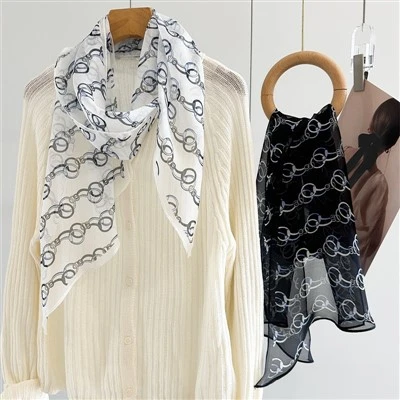
First, the iconic neck tie. This is the style most people picture when they hear “bandana,” and it’s versatile enough to work for everything from a 9-to-5 commute to a weekend hike. The classic method is simple: fold a square bandana into a triangle, roll the wide base into a long, thin strip, then wrap it around your neck once, leaving a small loop at the front, and tie the ends in a tight double knot. Over the years, this style has morphed to fit different vibes: some people wear it loose above the collarbone for a casual, laid-back look, while others tie it tight just below the Adam’s apple for a more polished, retro feel. I’ve supplied thousands of bandanas for hip-hop artists and streetwear brands that use this style paired with oversized flannels or denim jackets, but it’s also a go-to for hikers who use it to block sun and catch sweat—proving that bandanas balance fashion and function. One thing I always remind customers is to pick a fabric weight for neck ties: a lightweight cotton works for warm weather, while a mid-weight twill stands up to cooler months and repeated tying without fraying.
Next, the head wrap, a style with deep cultural roots that’s been reclaimed and reimagined for modern wear. Originally, enslaved Black people in the U.S. used head wraps (and bandanas, which were often the only affordable fabric they could access) to protect their hair from the elements, signaling both resilience and identity. Today, it’s a popular style for anyone wanting to add a bold accessory to a casual or bohemian outfit. The basic head wrap style: fold your bandana into a triangle, place the point at the back of your head, pull the two ends forward over your temples, cross them under your chin, then wrap them back around your head and tie a knot at the nape. For people with shorter hair, you can leave the ends loose for a messy, effortless look, while those with longer hair tuck the ends under the wrap for a sleek finish. I’ve worked with a lot of small fashion brands that offer custom printed bandanas for their head wrap lines, including brands that support Black-owned hair care businesses—this style isn’t just about looking cool; it’s about honoring the history of the accessory and making it your own. It’s also practical: a bandana head wrap keeps stray hairs out of your face during a workout or a busy workday, and it’s a great way to hide a bad hair day without sacrificing style.
Then there’s the bag accessory, a style that’s exploded in popularity over the last five years, especially among Gen Z and millennial shoppers. The idea is simple: take a bandana, fold it into a triangle, place it over the handle of your tote, cross the ends under the bag, and tie a tight knot—no fancy sewing required, just a quick way to upgrade a plain bag. You can also wrap a bandana around the base of a crossbody bag strap for a pop of color, or even use it as a lining for a small clutch. I’ve supplied bandanas to custom tote brands that offer “add a bandana” options as a way to let customers personalize their purchases, and it’s one of our most requested add-ons. What I love about this style is how it’s accessible: you don’t need to be a streetwear fan or a bohemian style maven to pull it off. A basic canvas tote with a red bandana tied to the handle works for school, grocery runs, or office meetings, adding a little personality to a mundane item. It’s also affordable, which makes it perfect for people who like to switch up their accessories without spending a lot of money.
Another style that’s stood the test of time is the wrist band. This is the simplest style: fold a bandana into a narrow strip, wrap it around your wrist, and tie a knot. It’s a go-to for athletes, construction workers, and anyone who needs a quick way to wipe sweat or keep a sleeve from slipping. But it’s also become a fashion statement: many people wear multiple bandanas on one wrist, mixing patterns for a bold, playful look, or a single bandana in a solid color to match a watch or other accessories. I remember supplying neon pink bandanas to a local high school’s soccer team a few years back—they tied them around their wrists before games, and after the season, dozens of players bought extra to wear with their everyday outfits. What’s great about the wrist band is its versatility: you can adjust the tightness to fit any wrist size, and it’s easy to take on and off throughout the day. Unlike expensive wristbands or watches, a bandana wrist band is a low-commitment way to add a pop of color to any outfit.
For people who want to be a little bolder, there’s the face covering (or neck gaiter style), a style that’s been popular for decades but gained mainstream attention during the COVID-19 pandemic. While it’s a functional style that protects from dust, sun, and germs, it’s also a fashion accessory. The method is simple: fold a bandana into a triangle, tie the two ends at the back of your head, then pull the folded fabric up over your nose and mouth. You can adjust it to cover just your mouth, or pull it up over your nose and even your eyes for extra sun protection. Many of our customers order custom bandanas for face coverings because they want to add their brand logo or a unique pattern, turning a practical item into a walking billboard. It’s also a style that works for outdoor activities: cyclists, hikers, and runners often use bandana face coverings to keep wind and debris out of their lungs. That said, I always advise customers to pick a breathable fabric for this style—cotton or a lightweight blend works best, so you don’t get overheated during physical activity.
Beyond these common styles, there are tons of creative ways to wear a bandana that reflect personal taste. Some people tie a bandana around their thigh for a festival look, while others wrap it around the handlebar of their bike or the stem of a plant. What I’ve learned over the years as a bandana supplier is that the best style is the one that feels true to you. It doesn’t matter if you tie a neck bandana perfectly or leave a loose end hanging—what matters is that it’s an extension of your personality.
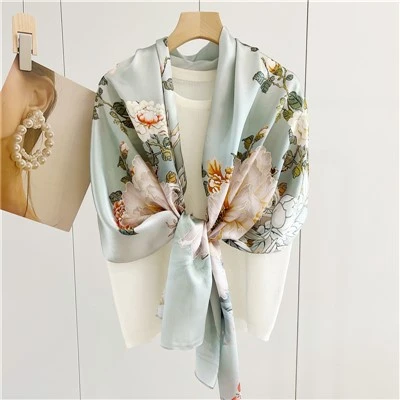
If you’re a small business owner, a fashion brand, or someone looking to stock bandanas for your own store or events, I can help you source high-quality, customizable bandanas that work for any style. Whether you need bulk solid colors for neck ties, custom printed designs for head wraps, or a mix of patterns for bag accessories, we can work with you to create a product that fits your needs. Don’t hesitate to reach out to talk through your project, ask about fabric options, or get advice on the best styles for your audience. We’re here to help you make bandanas work for your brand, just like we’ve done for so many other businesses over the years.
Heavyweight Shawl References
- Smith, J. (2021). The Cultural History of the Bandana. Fashion Studies Press.
- Lee, M. (2022). Accessory Evolution: From Workwear to Streetwear. Global Apparel Review.
- Rodriguez, L. (2019). Black Hair Culture and Textile Accessories. Journal of Fashion and Identity.
- Carter, T. (2020). Functional Fashion: Bandanas in Outdoor Recreation. Outdoor Industry Quarterly.
Deqing Boliya Silk Co., Ltd.
Deqing Boliya Silk Co., Ltd. is one of the most professional bandana manufacturers and suppliers in China, featured by quality products and good service. Please rest assured to wholesale the newest bandana in stock here and get quotation from our factory. We also accept customized orders.
Address: Baibiao Industrial Zone, Xinshi Town, Deqing County, Zhejiang Province, China
E-mail: boliya@boliyasilk.com
WebSite: https://www.boliyasilk.com/
