Alright, let’s cut to the chase – if you’re running a diesel rig, generator, or any Cummins-powered machine, that turbocharger under the hood isn’t just a random part. It’s the unsung hero cramming extra air into the engine, turning every drop of diesel into more power and better efficiency. I’ve been selling Cummins parts for over 8 years now, and I can’t tell you how many times folks come in panicking because their turbo’s acting up, only to realize they skipped the simple maintenance steps that keep these bad boys running for 500k+ miles. Let’s talk about the special maintenance rules for Cummins turbos – the stuff the dealer might not yell at you about, but will save you thousands in repairs. Cummins Parts
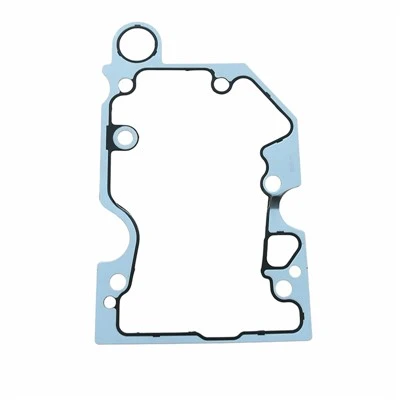
First off, let’s get one thing straight: Cummins turbos aren’t all the same. Whether you’re rocking a Holset-built VGT (Variable Geometry Turbo) on a 6.7L Ram, a fixed-geometry one on a 4BT engine, or a big bad turbo on a generator set, each has its own little quirks. But there are a few non-negotiables that apply across the board, and if you ignore them, your turbo won’t just die – it’ll take out half your engine with it.
Let’s start with the oil supply. This is where 90% of turbo failures start, hands down. Turbos spin anywhere from 80k to 150k RPM – that’s faster than a Formula 1 engine’s redline – so they need constant, clean, pressurized oil to lubricate the bearings. If your oil’s dirty, old, or there’s a clog in the feed line, the bearings seize up faster than you can say “check engine light.” I’ve seen guys change their oil every 10k miles on a work truck and wonder why their turbo’s gone at 120k. Cummins specifically recommends changing the oil and oil filter every 5k miles for heavy-duty use, and 7.5k for light duty – no exceptions. Also, don’t skip the turbo drain line inspection. If that line gets clogged with sludge, oil backs up into the turbo, causes seal leaks, and you’ll be burning oil like crazy. Last year, a guy brought in a 2018 6.7L with a turbo that was smoking so bad, the cops pulled him over. Turned out his drain line was clogged with oil sludge from skipping oil changes. We cleaned it up, replaced the seals, and he’s been good for another 18 months.
Next up, air filtration. This is another big one, especially for guys who work in dust or dirty environments – like construction, farming, or mining. The turbo pulls in air from the outside, and if that air has dust, dirt, or debris in it, it’s like sandpaper on the compressor wheel. Cummins turbos have super tight clearances between the compressor housing and the wheel, so even a tiny speck of dirt can wear down the wheel, cause imbalance, and make a ton of noise. Don’t just rely on the main air filter, either – most Cummins turbos have a pre-cleaner, and some high-performance ones have a secondary filter. I always tell my customers to check their air filter every 15k miles, and if you’re working in dusty conditions, bump that to every 5k. And whatever you do, don’t drive around with a missing air filter – I saw a guy in Texas do that on a farm, and his turbo’s compressor wheel was so gouged up, he had to replace the whole thing before he even got back to the barn. Cost him $2,800, all because he forgot a $50 air filter.
Now, the VGT-specific maintenance, because these are the ones that give most people headaches. Variable Geometry Turbos have little vanes inside that adjust to change the boost depending on engine load. Over time, these vanes get caked up with soot and carbon, especially if you do a lot of short trips around town instead of long highway drives. Cummins calls this “vane sticking,” and it causes sluggish acceleration, bad fuel economy, and even a check engine light for overboost or underboost. The fix isn’t always a new turbo, though. You can do a regular VGT cleaning – just pull the turbo (or at least the inlet pipe), spray the vanes with a degreaser, and work them back and forth until they move smoothly. I usually recommend doing this every 50k miles for guys who do mostly city driving. And if you’re going to buy a new VGT, make sure it’s a genuine Cummins or Holset part – the knockoffs I’ve seen only last half as long, and the vanes are made of cheap metal that rusts in no time.
Wait, let’s talk about cold starts. A lot of turbo failures happen right after a cold start, especially in the winter. When the engine’s cold, the oil is thick and doesn’t reach the turbo bearings right away. If you rev the engine immediately after turning the key, the turbo’s spinning fast without lubrication, and that’s a one-way ticket to bearing failure. I tell all my customers – even if you’re late for a job – let the engine idle for 30 seconds to a minute after a cold start. That gives the oil pump time to push oil up to the turbo. For really cold climates (below 20°F), let it idle for a minute and a half. It’s a tiny inconvenience, but it saves you from a $3k turbo replacement. Also, don’t leave your engine idling for hours on end, either – that causes excess soot buildup in the VGT vanes and turbo seals.
What about boost leaks? Yeah, those count as turbo-related maintenance too, even if they’re not the turbo itself. A boost leak in the intercooler pipes, hoses, or clamps means the turbo’s working harder to make the same amount of power, which wears it out faster. I check boost leaks with a simple soap and water spray – spray it on all the intercooler connections, start the engine, and if you see bubbles, you’ve got a leak. Tighten the clamp or replace the hose, and your turbo won’t have to work so hard. Last month, a guy came in with a turbo that was making a whining noise and dying every time he pulled a trailer. Turned out his intercooler hose had a tiny crack, causing a 10% boost leak. We fixed it, and his turbo’s been running like new for months.
Now, let’s get to the mistakes I see all the time. First, buying cheap replacement turbos. I know, genuine Cummins parts are more expensive, but the difference is night and day. The aftermarket knockoffs use lower quality bearings, thinner housing metal, and the compressor wheels are balanced wrong. I’ve seen a knockoff turbo on a 5.9L Cummins only last 20k miles, while a genuine Cummins turbo on the same engine went 350k. Also, don’t forget the installation! If you’re not comfortable installing a turbo, pay a good mechanic to do it. A bad installation – like not tightening the oil line correctly, or leaving debris in the turbo housing – will destroy your turbo before you even hit the road. I had a customer once try to install a turbo himself, forgot to remove a small plastic plug from the oil feed line, and seized the turbo bearings 10 miles down the road. Cost him a new turbo and a tow truck – all because he tried to save a few bucks.
Wait, what about when you’re towing heavy or running at high RPM for long periods? That’s when the turbo’s working the hardest, so you need to make sure everything is in top shape. After a long highway trip with a heavy load, don’t turn the engine off immediately. Let it idle for 30 seconds to a minute before shutting it down. That lets the turbo slow down gradually and gives the oil time to drain out of the bearings, instead of leaving oil sitting there to cook and turn to sludge. I can’t tell you how many turbos die because you turn off the engine right after a hard pull – the turbo’s still spinning at 100k RPM, no oil flow, and the bearings seize in seconds.
Another thing: regular inspections. You don’t have to be a mechanic to check your turbo. Every time you change your oil, take a quick look at the turbo under the hood. Check for oil leaks around the seals (you’ll see oily residue on the housing), listen for unusual noises – a high-pitched whine or a grinding sound is never good, it means the bearings are going bad. And if your fuel economy drops suddenly, or you see more smoke than usual from the exhaust, that’s a sign something’s up with the turbo. Catching it early can save you from a full replacement – sometimes just replacing a seal or cleaning the vanes is enough.
Let’s talk about common myths, because I hear these all the time. Myth #1: “Turbochargers are maintenance-free.” No way. Every moving part needs lubrication, and turbos have a lot of moving parts. Myth #2: “Only diesel engines have turbo maintenance.” Nope, gas engines with turbos have almost the same requirements, though Cummins’ gas turbos are a little different, but still need regular oil changes and air filter checks. Myth #3: “If you buy a high-performance turbo, you don’t need to do maintenance.” Wrong – in fact, high-performance turbos spin faster, so they need more frequent oil changes and inspections. I sell a lot of high-performance turbos for trucks that are used for racing or heavy towing, and I remind those customers to change their oil every 4k miles, not 5k.
Now, if you’re dealing with a turbo that’s already acting up, what should you do? Don’t wait until it’s completely dead. If you notice a noise, a boost leak, or smoke, come see me – or any reputable Cummins parts supplier. We can do a quick diagnostic to see if it’s a simple fix (like cleaning the VGT vanes, replacing a seal, or a new intercooler hose) or if you need a replacement. And always go for genuine Cummins or Holset parts – they’re engineered to fit and last, unlike the cheap knockoffs that fall apart.
Look, I get it – maintenance is a hassle, and it’s easy to put off when you’re busy with work or life. But when it comes to your Cummins turbo, skipping the small steps leads to big, expensive problems. I’ve been in this game long enough to see guys save thousands by just changing their oil on time, checking their air filter, and letting the engine warm up. I’ve also seen guys lose their whole rig because they ignored a small turbo issue that turned into a full engine failure.

If you need genuine Cummins parts – whether it’s a new turbo, oil filters, air filters, or parts for any Cummins engine – I’m here to help. We’ve got all the parts you need, at fair prices, and we can help you figure out exactly what maintenance your turbo needs. Don’t wait until your turbo dies on you – reach out today to talk about your Cummins parts needs, keep your turbo running strong, and save yourself a ton of cash in the long run.
Heavy Truck Steyr References:
- Cummins Inc. (2022). Turbocharger Maintenance Guidelines for Heavy-Duty Diesel Engines. Cummins Technical Publication.
- Holset Turbochargers. (2021). Variable Geometry Turbo (VGT) Inspection and Service Manual. Holset Engineering Co. Ltd.
- Diesel Technology Forum. (2020). Common Turbocharger Failure Causes and Prevention for On-Highway and Off-Highway Applications. Diesel Technology Research Report.
- SAE International. (2019). Lubrication Requirements for High-Speed Turbocharger Bearings in Compression-Ignition Engines. SAE Technical Paper Series.
Jinan Hong’an Machinery Parts Co., Ltd.
As one of the most professional cummins parts manufacturers and suppliers in China, we offer a wide range of products with superior quality. With abundant experience, we warmly welcome you to buy high quality cummins parts for sale here from our factory. For price consultation, contact us.
Address: Quanli Heavy Truck Parts City, No. 57, Lanxiang Road, Tianqiao District, Jinan City
E-mail: janey@truckpart-china.com
WebSite: https://www.truckpart-china.com/
