What is the humidity tolerance of an Anilox Sleeve?
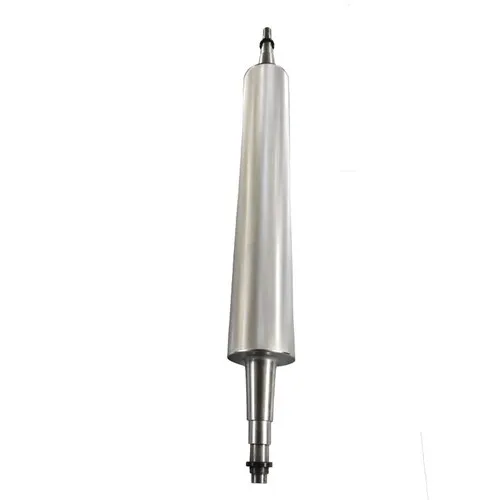
As a dedicated supplier of Anilox sleeves, I’ve witnessed firsthand the crucial role these components play in the printing industry. Anilox sleeves are precision-engineered cylinders covered in tiny cells that transfer ink or coating from the ink fountain to the printing plate. Their performance can be affected by various environmental factors, and one of the most significant ones is humidity. In this blog, I’ll delve into the concept of humidity tolerance for Anilox sleeves, explaining why it matters and how to manage it effectively. Anilox Sleeve
Understanding Humidity and Its Impact on Anilox Sleeves
Humidity refers to the amount of water vapor present in the air. High humidity means the air holds a lot of moisture, while low humidity indicates dry air. Both extremes can have detrimental effects on Anilox sleeves and the printing process as a whole.
When the humidity is too high, the excess moisture in the air can cause the Anilox sleeve to absorb water. This absorption can lead to swelling of the sleeve material, which in turn affects the size and shape of the cells. As a result, the ink or coating transfer becomes inconsistent, leading to uneven print quality. The larger cells may hold more ink than intended, causing overprinting in some areas, while the smaller ones may have reduced ink capacity, resulting in underprinting.
On the other hand, low humidity can cause the Anilox sleeve to dry out. The material may shrink, and the cells can become distorted. This can lead to poor ink release from the cells, resulting in incomplete transfer and patchy prints. Additionally, the dry conditions can increase the static electricity in the printing environment, which can attract dust and debris to the sleeve, further affecting print quality.
Measuring Humidity Tolerance
The humidity tolerance of an Anilox sleeve is typically expressed as a range of relative humidity (RH) percentages within which the sleeve can maintain its optimal performance. Relative humidity is the ratio of the amount of water vapor in the air to the maximum amount of water vapor the air can hold at a given temperature, expressed as a percentage.
For most Anilox sleeves, the ideal humidity range is between 40% and 60% RH. This range provides a balance between preventing excessive moisture absorption and avoiding drying out of the sleeve material. However, the exact humidity tolerance can vary depending on the type of material used to manufacture the sleeve, the cell geometry, and the specific printing application.
Some high – performance Anilox sleeves are designed to have a wider humidity tolerance range. These sleeves are made from advanced materials that are more resistant to the effects of humidity fluctuations. They can maintain consistent ink transfer even in environments with humidity levels outside the typical 40% – 60% range. This makes them suitable for printing operations in regions with extreme climate conditions.
Factors Affecting Humidity Tolerance
Several factors influence the humidity tolerance of Anilox sleeves. The first and most obvious is the material of the sleeve. Sleeves made from rubber or elastomeric materials are generally more sensitive to humidity changes compared to those made from ceramic or metallic materials. Rubber materials can absorb and release moisture more easily, which can cause significant dimensional changes.
The cell geometry of the Anilox sleeve also plays a role. The size, shape, and depth of the cells can affect how the ink or coating is held and transferred. Complex cell geometries with narrow channels or small cell openings may be more susceptible to the effects of humidity. For example, in high – humidity conditions, the excess moisture can cause the ink to become more viscous and clog the cell channels, leading to inconsistent ink transfer.
The printing environment itself can have a major impact on humidity tolerance. Printing facilities that are not properly climate – controlled are more likely to experience humidity fluctuations. A poorly insulated room or one with a large number of open doors and windows can allow outside air to enter, bringing with it changes in humidity levels. Additionally, the presence of other equipment in the printing area, such as heaters or air conditioners, can also affect the local humidity.
Managing Humidity for Optimal Anilox Sleeve Performance
To ensure that Anilox sleeves operate within their humidity tolerance range, it is essential to implement proper humidity management strategies in the printing facility. The first step is to invest in a reliable humidity monitoring system. This can include hygrometers placed at various locations in the printing area to provide accurate and real – time humidity readings.
Based on the readings from the humidity monitoring system, appropriate actions can be taken to adjust the humidity levels. If the humidity is too high, dehumidifiers can be used to remove excess moisture from the air. Dehumidifiers work by cooling the air, causing the water vapor to condense into liquid water, which is then collected and drained away.
Conversely, if the humidity is too low, humidifiers can be employed to add moisture to the air. There are different types of humidifiers available, such as evaporative humidifiers, ultrasonic humidifiers, and steam humidifiers. The choice of humidifier depends on the size of the printing facility and the specific humidity requirements.
In addition to using humidity – control equipment, it is also important to train the printing staff on the importance of humidity management. The operators should be aware of how humidity can affect the performance of the Anilox sleeves and the overall print quality. They should know how to read the humidity monitors and how to operate the humidity – control equipment correctly.
Our Role as an Anilox Sleeve Supplier
As a supplier of Anilox sleeves, we understand the significance of humidity tolerance and its impact on our customers’ printing operations. We work closely with our customers to provide them with the right Anilox sleeves for their specific applications and environments.
Our team of experts can help determine the appropriate humidity tolerance range for each customer’s needs. We take into account factors such as the type of printing process (e.g., flexography, gravure), the ink or coating being used, and the local climate conditions.
We also offer after – sales support to ensure that our customers can effectively manage the humidity in their printing facilities. This includes providing technical advice on humidity monitoring and control equipment, as well as offering training programs for the printing staff.
By choosing our Anilox sleeves, customers can have peace of mind knowing that they are getting high – quality products designed to perform well within a defined humidity tolerance range. We are committed to helping our customers achieve consistent and high – quality print results, regardless of the environmental challenges they may face.
Why Choose Our Anilox Sleeves and How to Contact Us
Our Anilox sleeves stand out in the market due to their excellent humidity tolerance and overall performance. We use the latest manufacturing technologies and high – quality materials to ensure that our sleeves can withstand a wide range of humidity conditions. Whether you are operating in a humid tropical climate or a dry desert environment, our Anilox sleeves can maintain their precision and efficiency.
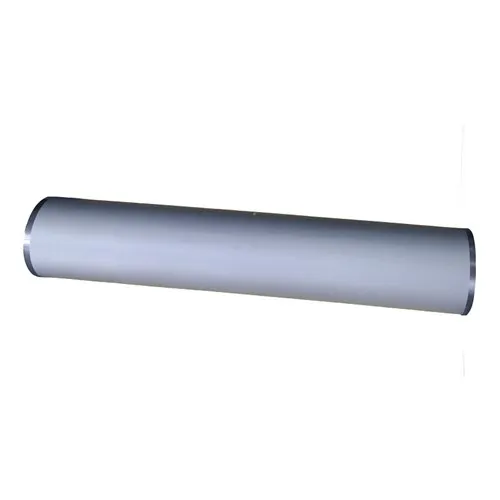
We also offer a wide range of cell geometries and coatings to meet the diverse needs of different printing applications. Our technical team is always ready to assist you in selecting the most suitable Anilox sleeve for your specific project.
Embossing Roller If you are interested in learning more about our Anilox sleeves and their humidity tolerance capabilities, or if you would like to discuss your procurement needs, we encourage you to contact us. Our dedicated sales team is eager to engage in a detailed discussion with you to understand your requirements and provide you with the best solutions. Reach out to us, and let’s start a conversation about how our Anilox sleeves can enhance the quality and efficiency of your printing operations.
References
- "The Printing Press: A History and Guide to Modern Techniques" by John Smith
- "Flexographic Printing: Principles and Practices" by Robert Johnson
- "Humidity Control in Industrial Environments" by Elizabeth Brown
Kunshan Hanhan Co., Ltd.
We’re well-known as one of the leading anilox sleeve manufacturers and suppliers in China. We warmly welcome you to buy high quality anilox sleeve made in China here from our factory. If you have any enquiry about cooperation, please feel free to email us.
Address: No. 1093, B Zone, No. 2 Xugongqiao Rd, Huaqiao Town, Kunshan City, Suzhou, Jiangsu, China
E-mail: info@kshhroller.com
WebSite: https://www.kshh-roller.com/
