Hey there! As a supplier of combination locks, I get asked a ton of questions about our products. One question that pops up quite often is whether combination locks are resistant to electromagnetic interference (EMI). It’s a valid concern, especially in today’s tech – heavy world where electronic devices are everywhere. So, let’s dive into this topic and find out what’s what. Combination Lock
First off, let’s understand what electromagnetic interference is. EMI is basically the disruption that an electronic device causes to another electronic device due to the emission of electromagnetic radiation. Think of it as a sort of "electronic noise" that can mess with how a device works. It can come from all sorts of sources, like power lines, radio waves, cell phones, and even lightning.
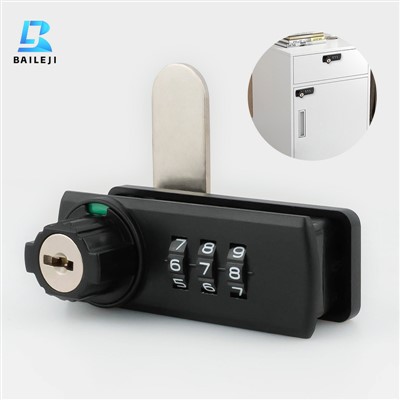
Now, when it comes to combination locks, there are two main types: mechanical and electronic. Let’s start with mechanical combination locks. These are the old – school ones that you usually see on gym lockers or some luggage. They work based on a series of gears, cams, and levers. When you turn the dial to the correct combination, these mechanical components line up just right, and the lock opens.
The great thing about mechanical combination locks is that they’re pretty much immune to electromagnetic interference. Since there are no electronic components involved, there’s nothing for the EMI to disrupt. You can take your mechanical combination lock and wave it around a microwave oven or stand next to a high – voltage power line, and it’ll still work just fine. It’s like having a trusty old tool that doesn’t care about all the fancy electronics around it.
On the flip side, we have electronic combination locks. These are more modern and often used in places where you need a higher level of security, like offices or high – end homes. Electronic combination locks rely on circuits, microcontrollers, and sensors to function. You enter the combination on a keypad, and the lock’s internal electronics verify it and then unlock.
Because they have electronic components, electronic combination locks are more vulnerable to electromagnetic interference. Strong EMI can potentially disrupt the signals in the lock’s circuits, causing it to malfunction. For example, if there’s a large electrical surge nearby, like a lightning strike, it could send an unexpected electrical signal through the lock’s electronics and mess up its normal operation. It could even cause the lock to reset or forget the correct combination.
But don’t worry; manufacturers of electronic combination locks are aware of this issue and take steps to make them as resistant to EMI as possible. They use shielding materials to protect the internal circuits from outside electromagnetic fields. Shielding is like putting a protective cloak around the sensitive electronics, blocking out most of the harmful EMI.
Another way to improve EMI resistance is through proper grounding. Grounding helps to redirect any unwanted electrical currents safely away from the lock’s electronics. By connecting the lock to a good electrical ground, it can handle any electrical spikes that might come its way without getting damaged.
Testing is also a crucial part of the process. Lock manufacturers subject their electronic combination locks to a series of EMI tests in specialized labs. They simulate different levels and types of electromagnetic interference to see how the locks hold up. Only after passing these rigorous tests are the locks considered ready for the market.
However, even with all these protection measures, there’s no guarantee that an electronic combination lock will be completely immune to EMI. In some extreme cases, like a really close and powerful lightning strike or being near a large industrial electromagnetic source, the lock might still experience some problems.
So, as a customer, what should you do when choosing between mechanical and electronic combination locks in terms of EMI? Well, if you’re in an environment with a high risk of electromagnetic interference, like a factory with lots of heavy – duty electrical equipment or a building near a radio tower, a mechanical combination lock might be the safer choice. It’ll give you peace of mind knowing that it won’t be affected by all the electronic noise around.
On the other hand, if you need the advanced features that electronic combination locks offer, like the ability to change the combination easily or integrate with a security system, then an electronic lock is still a great option. Just make sure to choose a high – quality one from a reputable manufacturer that has taken the necessary steps to improve EMI resistance.
As a combination lock supplier, I’ve seen firsthand the importance of having reliable locks in different settings. We offer a wide range of both mechanical and electronic combination locks, all carefully selected to meet the highest standards of quality and security. Whether you’re looking for a simple lock for your locker or a high – tech lock for your business, we’ve got you covered.
If you’re in the market for combination locks and have any questions about electromagnetic interference or any other features, don’t hesitate to reach out. Our team is always here to help you make the best choice for your needs. We can provide you with more detailed information about the EMI resistance of our products and assist you in finding the perfect lock for your situation.
In conclusion, while mechanical combination locks are generally more resistant to electromagnetic interference due to their lack of electronic components, electronic combination locks can also be made quite resistant through proper design and testing. By understanding the difference between the two types and the measures taken to protect against EMI, you can make an informed decision when purchasing a combination lock.
So, if you’re interested in discussing your lock requirements or need advice on which type of lock is best for you, get in touch with us. We’ll be happy to have a chat and work together to find the right combination lock solution for you.
Cabinet Lock References
- Electromagnetic Compatibility: Principles and Applications, by Clayton R. Paul
- Handbook of Electromagnetic Compatibility, edited by Kenneth L. Kaiser
Suzhou Baileji Intelligent Lock Industry Co., Ltd.
As one of the most professional combination lock enterprises in China, we’re featured by quality products and good price. Please rest assured to buy discount combination lock in stock here and get pricelist from our factory. Also, customized service is available.
Address: 3rd Floor, Building 9, Shengteng Industrial Park, No. 8 Ruyuan Road suzhou, jiangsu, China
E-mail: vip@bailejilocks.com
WebSite: https://www.bailejilock.com/
