What is the Best Way to Transport a Chair Back Frame?
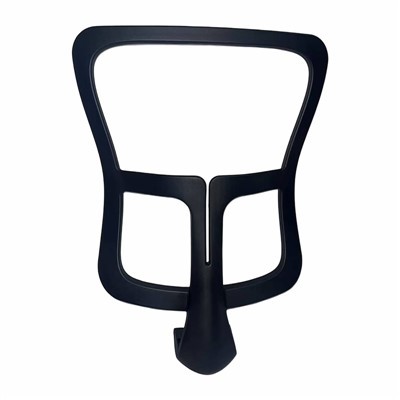
As a supplier of chair back frames, I’ve come across numerous challenges and learned invaluable lessons in the art of transporting these vital components. Chair back frames, with their varying shapes, sizes, and materials, demand a well – thought – out approach to ensure they reach their destinations in pristine condition. In this blog, I’ll share some insights on what I believe to be the best way to transport a chair back frame based on my hands – on experience in the industry. Chair Back Frame
Understanding the Product
Before diving into the transportation process, it’s crucial to understand the nature of chair back frames. They can be made from a wide range of materials, such as wood, metal, plastic, or a combination of these. Each material has its own set of characteristics that affect how it should be handled during transit.
Wooden chair back frames, for instance, are prone to scratches, splits, and warping. They can be damaged if exposed to excessive moisture or extreme temperatures. Metal frames are more durable but can rust if not properly protected, especially during long – distance transportation. Plastic frames are lightweight but can crack or break under pressure.
The shape and size of the frame also play a significant role. Curved or irregularly shaped frames are more challenging to pack and secure compared to straight, rectangular ones. Large frames may require special handling equipment and larger shipping containers.
Packaging
Packaging is the first and most crucial step in protecting chair back frames during transportation. The goal is to create a barrier that shields the frame from external forces, such as impacts, vibrations, and environmental factors.
For wooden frames, a layer of soft padding, like bubble wrap or foam sheets, can be wrapped around the entire frame. This helps to absorb any shocks during transit. After the initial padding, the frame can be placed in a custom – made cardboard box. The box should be slightly larger than the frame to allow for the padding, but not too large to prevent the frame from moving around inside. If the box has any empty spaces, they should be filled with packing peanuts or crumpled paper to provide additional cushioning.
Metal frames can be wrapped in anti – rust paper or plastic film to prevent corrosion. They can then be placed in a sturdy metal or plastic crate for added protection. The crate should be designed to fit the frame snugly, and any gaps should be filled with shock – absorbing materials.
Plastic frames can be wrapped in a layer of soft fabric or padded plastic to prevent scratches. They can be packed in a cardboard box with appropriate cushioning, similar to wooden frames.
In addition to individual packaging, multiple frames can be bundled together if possible. This not only saves space but also reduces the risk of frames knocking against each other during transit. However, it’s important to ensure that there is still enough padding between each frame to prevent abrasion.
Labeling
Proper labeling is essential for the smooth transportation of chair back frames. Labels should clearly indicate the contents of the package, including the type of material (wood, metal, plastic), the quantity of frames, and any special handling instructions.
For example, if the frames are made of a delicate wood species, the label could state "Fragile – Delicate Wood" to alert handlers to take extra care. Labels can also include information about which side of the package should be kept upright, especially if the frame has a specific orientation or is attached to other components.
Mode of Transportation
The choice of transportation mode depends on several factors, including the distance, the quantity of frames, and the urgency of delivery. The three main modes of transportation are road, rail, and air.
Road Transportation
Road transportation is often the most flexible option, especially for local or regional deliveries. It allows for door – to – door service, which is convenient for both suppliers and customers. Trucks can be equipped with special racks or compartments to secure the chair back frames, reducing the risk of movement during transit.
For smaller quantities of frames, a van or a light truck can be used. This is suitable for local deliveries or when transporting samples to potential customers. Larger quantities may require a delivery truck or a semi – trailer. In either case, the frames should be properly loaded and secured to prevent shifting during the journey.
Rail Transportation
Rail transportation is a cost – effective option for long – distance deliveries, especially when transporting large quantities of chair back frames. Trains are generally more stable than trucks, which means there is less risk of vibrations and impacts. However, rail transportation may require additional handling at loading and unloading points, which increases the risk of damage.
When using rail transportation, the frames should be packed in sturdy containers and secured to the train’s cargo area. Specialized rail – shipping containers are available that can be designed to fit the shapes and sizes of the frames, reducing the risk of movement.
Air Transportation
Air transportation is the fastest option, making it ideal for urgent deliveries or when transporting high – value or delicate frames. However, it is also the most expensive mode of transportation.
When shipping chair back frames by air, they should be packed in lightweight yet durable containers. Airlines have strict weight and size limits, so it’s important to ensure that the packaging meets these requirements. The frames should be carefully loaded onto the aircraft to prevent damage during takeoff, landing, and in – flight turbulence.
Handling and Loading
The way chair back frames are handled and loaded during transportation can significantly impact their condition upon arrival. At the loading stage, trained personnel should be responsible for lifting and moving the frames. They should use appropriate lifting equipment, such as forklifts or pallet jacks, to avoid causing damage.
During loading, the frames should be arranged in a stable and secure manner. If they are being loaded onto a truck, they should be stacked vertically or horizontally, depending on their shape and the design of the truck’s cargo area. Straps or ropes can be used to secure the frames to prevent them from shifting during transit.
At the unloading stage, the same level of care should be taken. Frames should be unloaded carefully and checked for any signs of damage. If any damage is detected, it should be documented immediately and reported to the relevant parties.
Insurance
Despite taking all the necessary precautions, there is always a risk of damage during transportation. That’s why it’s important to have insurance coverage for the chair back frames. Insurance can provide financial protection in case of accidents, theft, or other unforeseen events.
When purchasing insurance, it’s important to choose a policy that covers the full value of the frames and includes appropriate coverage for the mode of transportation. The insurance policy should also clearly define what is covered and what is excluded, so there are no surprises in the event of a claim.
Conclusion
Transporting chair back frames requires a comprehensive approach that takes into account the nature of the product, proper packaging, labeling, choice of transportation mode, handling, and insurance. By following these guidelines, suppliers can minimize the risk of damage and ensure that the frames reach their customers in perfect condition.
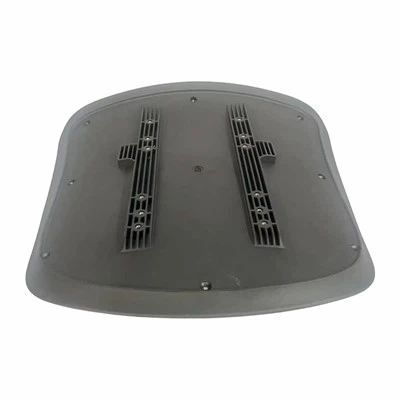
Seat Pan At my company, we are committed to providing high – quality chair back frames and ensuring their safe transportation. If you are interested in purchasing our chair back frames or have any questions about our products or transportation methods, I encourage you to reach out to us. We would be more than happy to discuss your specific needs and provide you with a customized solution.
References
- "Packaging Handbook" by Hanser Gardner Publications.
- "Transportation Logistics: Principles, Planning, and Optimization" by Stefan Minner.
- Industry reports on the furniture manufacturing and transportation sectors.
Dongguan Weihong Furniture Co., Ltd.
As one of the most professional chair back frame manufacturers and suppliers in China, we also support customized service. We warmly welcome you to buy high quality chair back frame made in China here and get pricelist from our factory. For price consultation, contact us.
Address: No.145, Qingzhang Road, Changshantou Village, Qingxi Town, Dongguan City, Guangdong Province, China
E-mail: 1243042726@qq.com
WebSite: https://www.whfurni.com/
