In the world of cycling, the pursuit of high – performance components is a never – ending journey. One such crucial component that often gets overlooked but plays a significant role in a bicycle’s performance is the carbon fiber bicycle stem. As a supplier of carbon fiber bicycle stems, I have had the privilege of delving deep into the nuances of this product, especially the concept of the stiffness – to – weight ratio. Carbon Fiber Bicycle Stem
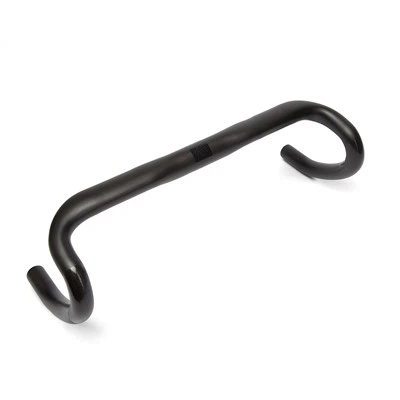
Understanding the Stiffness – to – Weight Ratio
The stiffness – to – weight ratio is a fundamental concept in the design and engineering of high – performance cycling components. Stiffness refers to the ability of a material or structure to resist deformation under an applied load. In the context of a bicycle stem, stiffness is essential for efficient power transfer. When a cyclist pedals or applies force to the handlebars, a stiff stem ensures that the energy is directly transferred to the front wheel, rather than being lost in the flexing of the stem.
On the other hand, weight is a critical factor in cycling. Every extra gram on a bicycle can affect the cyclist’s speed, acceleration, and overall handling. A lighter bicycle is generally easier to climb hills, accelerate quickly, and maneuver. The stiffness – to – weight ratio, therefore, represents a balance between these two aspects. It measures how much stiffness a component can offer per unit of weight. A high stiffness – to – weight ratio means that the component is both stiff and light, providing optimal performance.
Why Carbon Fiber for Bicycle Stems?
Carbon fiber has emerged as the material of choice for high – end bicycle stems, primarily because of its exceptional stiffness – to – weight ratio. Unlike traditional materials such as aluminum or steel, carbon fiber can be engineered to have a very high level of stiffness while being extremely lightweight.
Carbon fiber is made up of thin strands of carbon atoms that are held together by a polymer resin. These carbon fibers have a very high strength – to – weight ratio, and by carefully arranging them in different orientations, engineers can tailor the stiffness of the carbon fiber composite in specific directions. This allows for the creation of a bicycle stem that is stiff in the areas where it matters most, such as the areas that transfer power from the handlebars to the fork, while keeping the overall weight to a minimum.
For example, when a cyclist is sprinting or climbing, a significant amount of force is applied to the handlebars. A carbon fiber stem can be designed to resist the bending and torsional forces generated during these maneuvers without adding unnecessary weight. This results in a more responsive and efficient ride.
Measuring the Stiffness – to – Weight Ratio of a Carbon Fiber Bicycle Stem
Measuring the stiffness – to – weight ratio of a carbon fiber bicycle stem is a complex process that involves a combination of laboratory testing and real – world performance evaluation.
In the laboratory, specialized equipment is used to apply controlled loads to the stem and measure its deformation. For stiffness testing, a bending test is often conducted. A load is applied to the end of the stem, simulating the forces that a cyclist would apply during normal riding. The amount of deflection of the stem under this load is then measured. A lower deflection indicates a stiffer stem.
Torsional stiffness is also important, as it measures the stem’s resistance to twisting. To test torsional stiffness, a torque is applied to the stem, and the resulting angular displacement is measured.
Once the stiffness values are obtained, they are divided by the weight of the stem to calculate the stiffness – to – weight ratio. However, it’s important to note that different testing methods may yield slightly different results, so it’s crucial to compare stems using consistent testing protocols.
In real – world performance evaluation, cyclists can feel the difference in the stiffness – to – weight ratio of different stems. A stem with a high stiffness – to – weight ratio will provide a more direct and responsive feel, allowing the cyclist to better control the bicycle. For instance, when cornering at high speeds, a stiff stem will ensure that the front wheel responds immediately to the rider’s input, providing greater confidence and safety.
Factors Affecting the Stiffness – to – Weight Ratio of Carbon Fiber Bicycle Stems
Several factors can affect the stiffness – to – weight ratio of carbon fiber bicycle stems.
Carbon Fiber Quality: The quality of the carbon fiber used in the stem is a major determinant of its performance. Higher – quality carbon fibers have a higher strength – to – weight ratio and can be used to create stiffer and lighter stems. For example, aerospace – grade carbon fibers are often used in high – end bicycle stems because they offer superior performance compared to standard carbon fibers.
Layup Design: The way the carbon fibers are laid up in the stem is crucial. By orienting the fibers in specific directions, engineers can optimize the stiffness of the stem. For example, fibers can be aligned along the axis of the stem to increase its bending stiffness, or they can be arranged in a cross – pattern to enhance torsional stiffness.
Manufacturing Process: The manufacturing process also plays a role in the stiffness – to – weight ratio. Advanced manufacturing techniques, such as autoclave molding, can ensure a more uniform distribution of the carbon fibers and the resin, resulting in a stronger and more consistent stem. In contrast, cheaper manufacturing methods may lead to variations in the material properties and a lower stiffness – to – weight ratio.
Stem Geometry: The shape and size of the stem can also affect its stiffness – to – weight ratio. A shorter stem is generally stiffer than a longer one, as it has less material to flex. However, the length of the stem also needs to be balanced with the rider’s comfort and handling preferences. Additionally, the diameter of the stem and the shape of its cross – section can influence its stiffness and weight.
The Importance of a High Stiffness – to – Weight Ratio in Cycling
A high stiffness – to – weight ratio in a carbon fiber bicycle stem offers several benefits to cyclists.
Improved Power Transfer: As mentioned earlier, a stiff stem ensures that the power generated by the cyclist is efficiently transferred to the front wheel. This is especially important during sprints and climbs, where every bit of power counts. With a high – stiffness stem, cyclists can feel that their efforts are translated directly into forward motion, resulting in faster acceleration and better climbing performance.
Enhanced Handling: A stem with a high stiffness – to – weight ratio provides better handling characteristics. The bicycle is more responsive to the rider’s input, allowing for more precise steering and better control at high speeds. Whether it’s navigating tight corners or making sudden maneuvers, a stiff stem gives the cyclist greater confidence on the road.
Reduced Fatigue: A lighter stem reduces the overall weight of the bicycle, which in turn reduces the amount of energy the cyclist needs to expend. Over long rides, this can significantly reduce fatigue. Additionally, a stiff stem helps to minimize the amount of energy lost in the flexing of the component, allowing the cyclist to ride more efficiently.
Our Carbon Fiber Bicycle Stems and Their Stiffness – to – Weight Ratio
As a supplier of carbon fiber bicycle stems, we are committed to providing products with the highest possible stiffness – to – weight ratio. We source only the highest – quality carbon fibers and use advanced manufacturing techniques to ensure the best performance.
Our engineering team spends countless hours optimizing the layup design of our stems to achieve the perfect balance between stiffness and weight. We conduct rigorous testing on all our products, both in the laboratory and on the road, to ensure that they meet the highest standards of performance.
Our carbon fiber bicycle stems are designed to provide maximum stiffness in the areas where it matters most, while keeping the weight to a minimum. Whether you are a professional cyclist looking for that extra edge in a race or a recreational rider who wants a more responsive and efficient ride, our stems are the ideal choice.
Conclusion
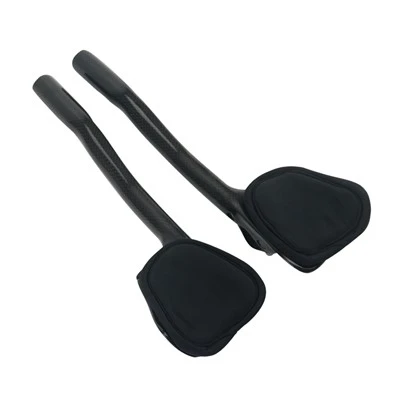
The stiffness – to – weight ratio of a carbon fiber bicycle stem is a critical factor that affects the performance of a bicycle. Carbon fiber’s unique properties make it an excellent material for achieving a high stiffness – to – weight ratio, and our company is dedicated to providing the best carbon fiber bicycle stems on the market.
Triathlon Handlebar If you are interested in learning more about our carbon fiber bicycle stems or are considering a purchase, we invite you to contact us. Our team of experts is ready to answer your questions and help you choose the stem that best suits your needs. Whether you are a bike shop owner looking to stock our products or an individual cyclist in search of a high – performance stem, we look forward to discussing a potential partnership and working with you to take your cycling experience to the next level.
References
- Maynard, J. D. (1994). Composite Design Guide for Carbon Fibre Reinforced Plastics. Elsevier.
- Gibson, R. F. (2012). Principles of Composite Material Mechanics. CRC Press.
- Bicycling magazine’s annual product reviews for insights on real – world performance of bicycle components.
Hunan Yecheng Technology Co., Ltd.
We’re well-known as one of the leading carbon fiber bicycle stem manufacturers and suppliers in China, also support customized service. Please feel free to buy high quality carbon fiber bicycle stem for sale here from our factory. For more information, contact us now.
Address: Changsha, Hunan Province, China.
E-mail: info@rxlsl.com
WebSite: https://www.rxlsl.com/
