Hey there! I’m a supplier of Lightweight Gypsum Block Production Lines. Over the years, I’ve seen firsthand the challenges and rewards of keeping these production lines up and running smoothly for the long haul. In this blog, I’ll share some tips on how to ensure the long – term operation of a lightweight gypsum block production line. Lightweight Gypsum Block Production Line

1. Regular Equipment Maintenance
One of the most crucial aspects of ensuring long – term operation is regular equipment maintenance. You know, just like a car needs regular oil changes and tune – ups, a production line needs consistent care.
First off, make sure to clean the equipment regularly. Gypsum dust can accumulate on various parts of the machine, which might cause clogging and affect the performance. For example, the mixing blades in the mixer can get covered with dried gypsum, reducing their efficiency. A simple daily cleaning routine can prevent this. Use compressed air to blow away the dust from hard – to – reach areas and wipe down the visible parts with a clean cloth.
Secondly, lubrication is key. All the moving parts in the production line, such as conveyor belts, motors, and gears, need proper lubrication. Check the lubricant levels frequently and top them up as needed. Using the right type of lubricant is also important. Refer to the equipment’s manual to find out which lubricant suits your specific production line.
Don’t forget about the inspection of belts and chains. Over time, they can stretch or wear out. A loose belt can cause slippage, which might disrupt the production process. Check the tension of belts and chains regularly and adjust or replace them when necessary.
2. Quality Control of Raw Materials
The quality of raw materials used in the production of lightweight gypsum blocks has a direct impact on the performance of the production line and the quality of the final products.
When it comes to gypsum, source it from reliable suppliers. Make sure the gypsum has the right chemical composition and particle size. Poor – quality gypsum can lead to issues like poor setting time, low strength of the produced blocks, and can also cause problems in the mixing and molding processes.
For other additives used in the production, such as foaming agents and retarders, also ensure their quality. Incorrect dosages or low – quality additives can result in inconsistent block properties. Set up a strict quality control system for raw materials. Conduct tests on incoming materials to verify their quality before using them in production.
3. Staff Training and Management
Your production line is only as good as the people operating it. Proper staff training and management are essential for the long – term operation of the production line.
Train your employees thoroughly on how to operate the production line equipment. Make sure they understand the safety procedures, operating manuals, and troubleshooting steps. Regular training sessions can keep their skills up – to – date, especially when new technologies or improvements are made to the production line.
Encourage a culture of responsibility and care among your staff. Let them know that each of their actions can affect the overall performance of the production line. Provide incentives for good performance and proper equipment care.
Also, have a good management system in place to schedule shifts, manage workloads, and handle any issues that may arise during production. A well – organized workforce can ensure that the production line runs smoothly without unnecessary downtime.
4. Technology Upgrade and Innovation
The manufacturing industry is constantly evolving, and lightweight gypsum block production is no exception. To ensure the long – term operation of your production line, you need to keep up with the latest technologies and innovations.
Regularly assess your production line’s performance and look for areas where improvements can be made. For example, upgrading to more energy – efficient equipment can reduce operating costs in the long run. Newer mixing technologies can improve the homogeneity of the gypsum mixture, leading to better – quality blocks.
Keep an eye on industry trends and research. Participate in industry conferences and exhibitions to learn about the latest advancements. Collaborate with equipment manufacturers and research institutions to explore new production methods and technologies.
5. Emergency Preparedness
No matter how well you maintain your production line, unexpected things can happen. That’s why having an emergency preparedness plan is crucial.
First, identify potential risks such as power outages, equipment breakdowns, and natural disasters. Develop contingency plans for each of these scenarios. For example, in case of a power outage, have a backup generator ready to ensure that the production line can continue operation or at least shut down safely.
Stock up on essential spare parts. This way, if a critical part of the equipment fails, you can quickly replace it and minimize downtime. Keep a list of reliable repair technicians and their contact information. In case of a major equipment breakdown, you can quickly get in touch with them to get the problem fixed.
6. Monitoring and Data Analysis
Monitoring the performance of your production line is essential for long – term operation. Use sensors and monitoring systems to collect data on various parameters such as production speed, temperature, and pressure.
Analyze this data regularly to identify trends and potential problems. For example, if you notice a gradual decrease in production speed, it could be an early sign of equipment wear or a problem with the raw materials. By identifying these issues early, you can take proactive measures to prevent more serious problems from occurring.
Set up key performance indicators (KPIs) for your production line, such as production output, product quality, and energy consumption. Regularly review these KPIs to evaluate the performance of your production line and make adjustments as needed.
In Conclusion
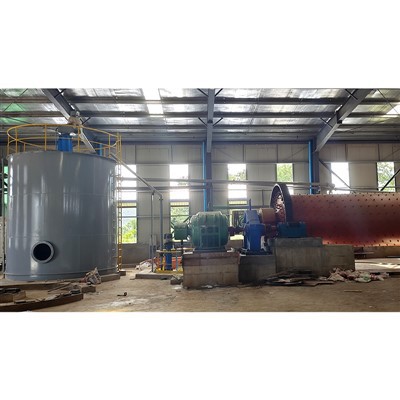
Ensuring the long – term operation of a lightweight gypsum block production line requires a combination of regular equipment maintenance, quality control of raw materials, staff training and management, technology upgrade, emergency preparedness, and monitoring and data analysis.
Gypsum Powder Production Line If you’re in the market for a lightweight gypsum block production line or need advice on how to improve the operation of your existing line, don’t hesitate to reach out. I’m here to help you navigate the challenges and achieve long – term success with your production. Let’s have a chat and see how we can work together.
References
- "Handbook of Gypsum Technology"
- Industry reports on lightweight building materials production
- Various equipment manuals provided by manufacturers of production line components
Shineye Mach Co., Ltd.
Shineye Mach Co., Ltd. is one of the most reliable manufacturers and suppliers of lightweight gypsum block production line in China, also supports customized service with reasonable price. Please feel free to buy advanced lightweight gypsum block production line made in China here from our factory. For quotation, contact us now.
Address: Jinzhou Circular Industry Park, Jinzhou City, Shijiazhuang City, Hebei Province, China
E-mail: xiangyijixielucia@yeah.net
WebSite: https://www.shineyemach.com/
