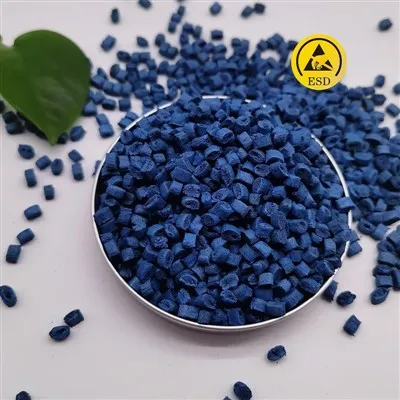
Antistatic additives play a crucial role in various industries, from electronics to packaging. As a supplier of antistatic additives, I often encounter questions about how these additives impact the chemical resistance of materials. In this blog post, I’ll delve into the relationship between antistatic additives and chemical resistance, exploring the mechanisms, factors, and practical implications. Antistatic Additives
Understanding Antistatic Additives
Antistatic additives are substances that are added to materials to reduce or eliminate static electricity. Static electricity can cause a range of problems, including dust attraction, electrical shock, and even ignition in certain environments. By dissipating static charges, antistatic additives help to improve the safety and performance of materials.
There are two main types of antistatic additives: internal and external. Internal antistatic additives are incorporated into the material during the manufacturing process, while external antistatic additives are applied to the surface of the material after it has been formed. Both types of additives work by creating a conductive path that allows static charges to flow away from the material.
Impact on Chemical Resistance
The addition of antistatic additives can have a significant impact on the chemical resistance of materials. Chemical resistance refers to a material’s ability to withstand the effects of chemicals, such as acids, bases, solvents, and oxidizing agents. When antistatic additives are added to a material, they can alter its chemical structure and properties, which can in turn affect its chemical resistance.
Mechanisms of Impact
There are several mechanisms by which antistatic additives can impact the chemical resistance of materials:
- Surface Modification: Antistatic additives can modify the surface properties of a material, making it more or less resistant to chemical attack. For example, some antistatic additives can form a protective layer on the surface of the material, which can prevent chemicals from penetrating the material.
- Chemical Interaction: Antistatic additives can interact with the chemicals in the environment, either by reacting with them or by adsorbing them. This can change the chemical composition of the material and affect its chemical resistance.
- Mechanical Properties: Antistatic additives can also affect the mechanical properties of a material, such as its strength, flexibility, and hardness. These changes in mechanical properties can in turn affect the material’s ability to resist chemical attack.
Factors Affecting Impact
The impact of antistatic additives on the chemical resistance of materials depends on several factors, including:
- Type of Additive: Different types of antistatic additives have different chemical structures and properties, which can affect their impact on chemical resistance. For example, some antistatic additives are more reactive than others, and may be more likely to interact with chemicals in the environment.
- Concentration of Additive: The concentration of antistatic additive in the material can also affect its impact on chemical resistance. Higher concentrations of additive may provide greater antistatic protection, but they may also increase the risk of chemical interaction and reduce the material’s chemical resistance.
- Type of Material: The type of material to which the antistatic additive is added can also affect its impact on chemical resistance. Different materials have different chemical structures and properties, and may respond differently to the addition of antistatic additives.
- Chemical Environment: The chemical environment in which the material is used can also affect the impact of antistatic additives on chemical resistance. For example, materials that are exposed to strong acids or bases may require different types of antistatic additives than materials that are exposed to milder chemicals.
Practical Implications
The impact of antistatic additives on the chemical resistance of materials has several practical implications for industries that use these materials. For example:
- Electronics Industry: In the electronics industry, antistatic additives are commonly used to prevent static electricity from damaging electronic components. However, the addition of antistatic additives can also affect the chemical resistance of the materials used in these components, which can impact their performance and reliability.
- Packaging Industry: In the packaging industry, antistatic additives are used to prevent static electricity from attracting dust and other contaminants to the packaging material. However, the addition of antistatic additives can also affect the chemical resistance of the packaging material, which can impact its ability to protect the contents from chemical damage.
- Automotive Industry: In the automotive industry, antistatic additives are used to prevent static electricity from causing electrical problems in the vehicle. However, the addition of antistatic additives can also affect the chemical resistance of the materials used in the vehicle, which can impact its durability and performance.
Choosing the Right Antistatic Additive
When choosing an antistatic additive for a particular application, it is important to consider the impact of the additive on the chemical resistance of the material. Here are some tips to help you choose the right antistatic additive:
- Understand the Chemical Environment: Before choosing an antistatic additive, it is important to understand the chemical environment in which the material will be used. This will help you to choose an additive that is compatible with the chemicals in the environment and that will not reduce the material’s chemical resistance.
- Consider the Type of Material: Different types of materials have different chemical structures and properties, and may respond differently to the addition of antistatic additives. It is important to choose an additive that is compatible with the type of material you are using.
- Evaluate the Concentration of Additive: The concentration of antistatic additive in the material can also affect its impact on chemical resistance. It is important to choose an additive that provides the desired level of antistatic protection without reducing the material’s chemical resistance.
- Test the Additive: Before using an antistatic additive in a particular application, it is important to test the additive to ensure that it does not reduce the material’s chemical resistance. This can be done by conducting laboratory tests or by performing field trials.
Conclusion
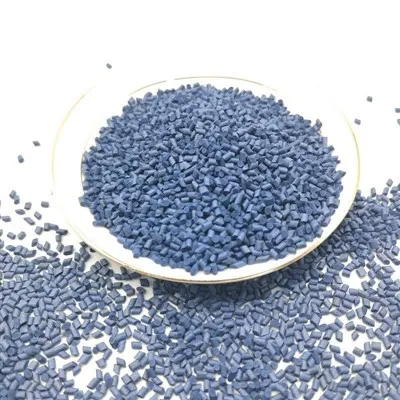
Antistatic additives play an important role in reducing or eliminating static electricity in materials. However, the addition of antistatic additives can also have a significant impact on the chemical resistance of materials. By understanding the mechanisms, factors, and practical implications of this impact, you can choose the right antistatic additive for your application and ensure that your materials have the desired level of chemical resistance.
Antistatic Additives If you are interested in learning more about antistatic additives and their impact on chemical resistance, or if you are looking for a reliable supplier of antistatic additives, please contact us. We would be happy to discuss your specific needs and provide you with the information and products you need.
References
- ASTM D5498 – Standard Test Method for Surface and Volume Resistivities of Conductive Plastics and Rubbers.
- ISO 6134 – Plastics – Determination of the Electrical Resistance of Conductive and Antistatic Plastics.
- "Antistatic Additives for Plastics" by John W. Lyons.
- "Handbook of Antistatic Additives" by R. Gachter and H. Muller.
Jiangxi Sugo Advanced Materials Co., Ltd.
With abundant experience, we are one of the most professional antistatic additives manufacturers in China. Please feel free to buy high quality antistatic additives in stock here and get free sample from our factory. We also accept customized orders.
Address: 1st Fugong Rd, Futian Industrial Park, Dingnan, Ganzhou City, Jiangxi Prov., R.P.C 341900
E-mail: EILEEN@SUGOPLAS.COM
WebSite: https://www.sugo-esd.com/
