If you’ve ever driven past a street crew digging a straight, deep trench to lay new water pipes, you’ve probably seen a trencher in action—and didn’t even realize it. As a supplier of trenchers for water lines, I get asked all the time: “What exactly is that machine, and why do people use it instead of just digging by hand?” Let’s break this down, no jargon, just real talk about the tool that makes water line projects way faster, safer, and way less messy. Trencher
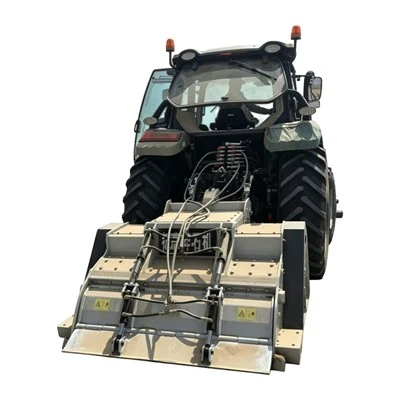
First off, a trencher isn’t some fancy, obscure machine. It’s a piece of construction equipment designed specifically to dig long, narrow trenches—perfect for laying water lines, sewer pipes, fiber optic cables, or even gas lines. Unlike a backhoe, which digs big, shallow holes for foundations, a trencher digs a trench that’s deep enough (usually 2 to 6 feet for residential water lines, sometimes more for main lines) and just wide enough to fit your pipe, with barely any extra dirt to move. That’s a game-changer for crews—no spending hours shoveling out extra space they don’t need.
Let’s talk about how water line trenchers work, since that’s where a lot of people get confused. Most of the ones we supply for water projects are walk-behind or ride-on units, right? The core part is the digging chain, lined with sharp, heavy-duty teeth, wrapped around a metal frame. When the machine moves forward, the chain spins, and those teeth bite into the dirt, rock, or whatever’s in the ground, and carry the cut-up debris out of the trench. Some smaller walk-behind models work great for backyard water line replacements—they’re compact enough to fit through gates and tight spaces that a big excavator can’t get into. For bigger city projects, though, we sell ride-on or even track-mounted trenchers that can dig hundreds of feet of trench in a single day. To put that in perspective: a small crew digging by hand might dig 10 to 15 feet of trench in a day. A mid-sized ride-on trencher? That’s 300 to 500 feet, easy.
You might be wondering: why not just use a regular excavator for water lines? Excavators dig big, wide holes that require way more dirt to move, and then you’ve got to go back and widen the trench to fit the pipe—wasting time and money. Trenchers cut exactly the size trench you need, so you only move the dirt once. Plus, they leave a much straighter, more consistent trench, which is super important for water lines. If a trench is lopsided or has uneven bottom, the pipe can shift when you backfill, which leads to leaks later. A good trencher digs a smooth, level base, so your pipe sits right where it should. And let’s not forget about safety—digging by hand is hard on crews’ backs, and excavators can be tricky to maneuver near existing utility lines, but modern trenchers have built-in depth controls that let you set exactly how deep you want to dig, so you don’t accidentally hit a gas line or power line.
Wait, not all trenchers are the same, right? That’s why as a supplier, we work with customers to pick the right one for their job. Let’s break down the common types for water lines:
Walk-behind trenchers: These are perfect for small jobs—like adding a new water line to a backyard shed, or replacing a leaky service line from the street to a house. They’re lightweight, easy to transport on a small trailer, and you can maneuver them around trees or flower beds without tearing up too much of your yard. We’ve got models that handle up to 4 feet deep and 6 inches wide, which is exactly what most residential service lines need. The downside? You’re limited by how far you can walk, so you can’t do a whole neighborhood main line with one.
Ride-on trenchers: This is the workhorse for mid-sized jobs—like laying a new water main down a residential street, or a commercial property’s water distribution lines. They’re bigger, have more power (usually 20 to 80 horsepower, compared to 5 to 20 for walk-behind), and can dig up to 6 feet deep and 12 inches wide. They’re fast, comfortable for the operator, and have features like adjustable speed controls to match the digging rate to the ground—so you don’t stall out in hard clay.
Track-mounted trenchers: For really tough jobs, like digging through rocky soil or frozen ground, track-mounted units are the way to go. The tracks spread out the weight, so they don’t sink in soft mud or sand, and they have extra powerful digging chains to break up small rocks. We even have some models with a rock claw attachment, so you can dig through ground that would stop a regular ride-on trencher dead in its tracks.
Now, let’s get into why water line projects specifically rely on trenchers, not other tools. Water lines need a trench that’s deep enough to avoid freezing (in colder climates, you’ve got to dig below the frost line, which can be 4 feet or more) but not so deep that it’s unsafe to work in. Trenchers let you hit that exact depth every time, no guessing. Also, when you lay a water line, you need to backfill the trench with clean dirt around the pipe—no big rocks that could scratch or puncture the pipe. Trenchers cut the dirt into small, manageable pieces, so you can sift out any big rocks as you go, saving you time later. And let’s talk about cost: a trencher might seem expensive upfront, but compared to paying a crew 10 times more to dig the same amount of trench by hand, or dealing with delays from slow excavator work, it pays for itself in a few weeks.
I’ve worked with a ton of contractors over the years, and one thing I see all the time is people buying the wrong trencher for their job. For example, a contractor doing a small backyard replacement might buy a huge ride-on that’s too heavy to fit through the gate, or a guy doing a main line might buy a walk-behind and spend 2 weeks digging half a mile of trench. That’s why we take the time to ask customers about their project: how deep do you need to dig? How wide? What’s the ground like? Do you need to transport it on a trailer, or keep it on a job site? No two jobs are the same, so no two trenchers are either.
Another thing that’s changed a lot lately is the tech in modern trenchers. A lot of the models we supply now have GPS-enabled depth controls, so you can input exactly how deep you want the trench, and the trencher will automatically adjust the digging chain to stay on target. That means less rework, no missed spots, and fewer mistakes that lead to leaks. Some even have telematics, so you can track the machine’s fuel level, maintenance needs, and location from your phone—super handy for job managers who are bouncing between multiple sites.
Wait, but what about old-school ways of digging trenches? I’ve heard some contractors say they still use hand shovels for small jobs, and yeah, that works if you only need to dig 10 feet. But for anything over 50 feet, a trencher is non-negotiable. And let’s not forget about permits—most cities require you to mark your utility lines before digging, and a trencher’s narrow trench means you’re less likely to accidentally hit something, which avoids expensive fines and delays. I had a customer last year who tried to dig a service line by hand and hit a power line, costing him $10,000 in repairs and a week of downtime. He came back the next week and rented a walk-behind trencher from us—said it paid for itself in one day.
So, if you’re a contractor working on a water line project, or a homeowner tackling a small backyard job, a trencher is way more than just a digging machine. It’s a tool that saves time, reduces costs, makes jobs safer, and gives you a better end result—no lopsided trenches, no back injuries, no weeks of digging by hand.
If you’re in the market for a trencher for your next water line project, feel free to reach out to us to chat about what model would work best for your needs. We’re here to help you pick the right tool, answer any questions you have, and make sure your project goes smoothly.
Tree Shredder References
- Construction Equipment Association. “Trencher Applications for Utility Installation.” 2023.
- U.S. Department of Transportation, Federal Highway Administration. “Guidelines for Trenching in Water Line Installation.” 2022.
- Popular Mechanics. “How Construction Trenchers Work.” 2021.
- International Association of Plumbing and Mechanical Officials. “Residential Water Line Installation Best Practices.” 2023.
Zhihao Highway Engineering Machinery Co., Ltd.
As one of the most professional trencher manufacturers and suppliers in China, we have world-leading production equipment and strong manufacturing capabilities. Please rest assured to wholesale customized trencher made in China here from our factory. For price consultation, contact us.
Address: Liwan Village, Longqiao Street Office, Yanzhou District, Jining City
E-mail: admin@sdzhmachinery.com
WebSite: https://www.zhroadmach.com/
