If you’ve ever worked with custom metal parts for automotive components, consumer electronics, or industrial equipment, you’ve likely come across die casting as the go-to manufacturing process for high-volume, precision parts. As a die casting supplier who’s walked the floor of our shop floor for over 12 years, I’ve had more conversations with clients than I can count that start with the same question: “Should I go with aluminum or zinc die casting?” It’s not a trivial call—pick the wrong material, and you’ll deal with part failure, sky-high tooling costs, or missed delivery deadlines down the line. I’ve seen startups blow their budgets on a zinc part that’s too brittle for their outdoor application, and I’ve helped automotive engineers switch to aluminum to cut 20% of component weight without sacrificing durability. Today, I’m breaking down the real, practical differences between aluminum and zinc die casting, from material properties to production costs to end-use fit, so you can make an informed choice. Die Casting
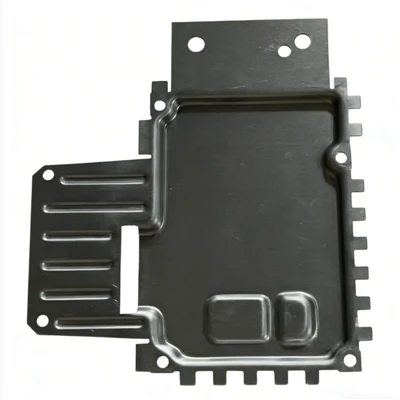
Let’s start with the basics: what die casting is, for anyone new to the process. Die casting forces molten metal under high pressure into hardened steel molds (called dies) at speeds up to hundreds of feet per second. The pressure fills even the tiniest, most detailed crevices in the die, so you get parts with tight tolerances, smooth finishes, and consistent quality—perfect for large runs, where consistency is non-negotiable. The two most common metals used here are aluminum (Al) and zinc (Zn), and they’re as different as night and day, even though they’re both non-ferrous and easy to cast.
First up: material properties, which are the foundation of every decision. Let’s talk strength first. Zinc has a higher density than aluminum—around 7.1 g/cm³, compared to aluminum’s 2.7 g/cm³. That means zinc parts are much heavier for the same size, a big deal for applications where weight matters, like consumer electronics or electric vehicles, where every extra pound cuts range or battery life. But zinc’s yield strength (the amount of stress it can take before deforming) is actually higher than aluminum’s in some cases: zinc has a yield strength of around 220 MPa, while aluminum die casting alloys like A380 come in at about 160 MPa. That’s why zinc is often the pick for small, load-bearing parts like lock mechanisms or gear housings that need to hold up under repeated torque or impact.
Aluminum, though, beats zinc hands down when it comes to corrosion resistance and thermal conductivity. Aluminum forms a thin, self-healing oxide layer when exposed to air, so it doesn’t rust like steel, and it stands up to outdoor environments, saltwater, and common chemicals far better than zinc. We recently did a project for a marine equipment client that switched from zinc to aluminum valve bodies, and they reported zero corrosion failures in two years, compared to three failures a year with their old zinc parts. Thermal conductivity is another win for aluminum: it transfers heat 3 times better than zinc, at around 205 W/m·K vs. zinc’s 113 W/m·K. That makes aluminum the obvious choice for heat sinks in laptops, LED lights, or electric vehicle battery components, where managing heat is critical to performance and lifespan.
Brittleness is another key property to think about, especially for parts that will be dropped, bent, or exposed to extreme temperatures. Zinc is more brittle than aluminum, especially at low temperatures—its impact toughness drops significantly when it’s below 0°C (32°F), making it prone to cracking if dropped on a cold factory floor or used in outdoor winter equipment. Aluminum, on the other hand, stays flexible and tough across a much wider temperature range, from -45°C to 200°C (-49°F to 392°F), so it’s reliable for everything from under-the-hood car parts to outdoor power tools used in cold climates.
Next, let’s talk about production, because that’s where die casting (and the difference between aluminum and zinc) really shows its cost and efficiency benefits. Tooling is the biggest upfront cost for any die casting project, and here’s where zinc has a major edge. Zinc has a lower melting point—around 380°C (716°F) for standard zinc alloys, compared to aluminum’s 660°C (1220°F). That means less energy is needed to melt the metal, which cuts production costs per part, but even more importantly, it’s much easier on the dies. When you inject molten metal into a die, the hot metal erodes the die over time, called die wear. Lower temperatures mean slower die degradation, so zinc dies last longer—sometimes up to 1 million parts per die, vs. aluminum dies which typically last 100,000 to 500,000 parts, depending on the part size and complexity. I’ve seen a single zinc die last for 1.2 million gear parts before we had to retire it, while an aluminum die for a similar-sized automotive bracket only lasted 300,000 parts. That adds up fast for high-volume runs, which is where zinc really shines: if you’re making 1 million small, complex parts like phone clips or door hinges, zinc tooling and production will be far cheaper long-term.
But wait—aluminum has its own production perks. Even though aluminum melts at a higher temperature, it’s lighter to work with in some ways: when you design a part, you can make it thinner with aluminum because of its high strength-to-weight ratio, so you use less raw material. A 1mm thick aluminum part can have the same strength as a 1.5mm thick zinc part, so even though aluminum is more expensive per kilogram than zinc, you end up using less metal per part, balancing that out for many projects. For example, a heat sink for a Tesla model that we make from A380 aluminum uses 0.8 kg of metal per part, while an equivalent zinc heat sink would use 1.2 kg, so the material cost difference narrows significantly when you account for part weight.
Another big production factor is casting detail and surface finish. Zinc flows much more easily into die cavities, so it can capture tiny, intricate details like sharp edges, fine engravings, or small holes that are less precise with aluminum. That’s why you see zinc used for decorative parts like custom nameplates, jewelry components, or small appliance knobs that need crisp, detailed features straight from the die, without extra machining. Zinc also has a smoother as-cast finish than aluminum, so you can skip the secondary polishing steps for many decorative applications, saving time and money. Aluminum, though, takes surface treatments like powder coating, anodizing, or painting extremely well, and those treatments make its corrosion resistance even better—something zinc can’t match, because zinc’s surface treatments (like plating) are more prone to peeling over time, especially if the part is exposed to moisture.
Secondary operations are a huge part of any die casting project, and here’s where both materials have tradeoffs. Zinc is easier to machine and drill than aluminum—its lower melting point and softer structure mean it cuts more cleanly, with less tool wear, so secondary operations like tapping holes or milling edges take less time and cost less. Aluminum, on the other hand, produces thinner, more chips during machining that are easier to recycle, and anodizing aluminum is a straightforward, well-understood process that’s used in almost every industry, from aerospace to consumer goods. Zinc’s plating process, while common, requires more careful preparation to avoid defects, and it’s not suitable for applications that will be exposed to high heat, because the plating can blister or peel.
Now, let’s talk about real-world use cases, because numbers and properties mean nothing if you don’t see how they play out in actual products. We recently worked with two clients that had almost identical part requirements, but ended up with totally different material choices. The first client was a medical device startup making small, lightweight surgical tool housings that needed to be sterilized repeatedly with autoclave steam. The team initially wanted zinc, because they thought it would be cheaper, but we walked them through the data: zinc’s impact toughness drops too low after repeated autoclave cycles at 121°C (250°F), and corrosion from the sterilization chemicals would make the zinc housing start to pit after 50 uses. We switched them to A380 aluminum, and the part now passes 1,000 sterilization cycles with zero defects, and is 25% lighter than the equivalent zinc design—perfect for the surgeons holding it for hours at a time.
The second client was a consumer electronics company making 2 million small, complex hinge clips for foldable phone cases. They needed tight tolerances, detailed engravings for their brand logo, and a cost per part under $0.10 for a 2-million unit run. They tried aluminum first, but the die for the aluminum part only lasted 120,000 clips, so tooling costs were 3x higher than expected, and the engravings on the aluminum part were slightly blurry due to slower metal flow. We switched them to zinc alloy Zamak 3, which is the most common zinc die casting alloy, and the die lasted over 900,000 parts before needing minor repairs, the engravings were crisp, and the total cost per part came in at $0.085, beating their budget by 15%. That’s the kind of practical difference only comes from working with both materials day in and day out.
I should also address a common myth I hear all the time: that zinc is “less durable” than aluminum. That’s only true in specific use cases. If you’re making a part that needs to resist corrosion, conduct heat, or work in extreme temperatures, aluminum is more durable. But if you’re making a small, high-load part that doesn’t need to be light, like a lock body or a gear for a power tool, zinc is actually more durable and reliable for that exact application. I’ve seen zinc locks that have been outside for 10 years with zero failures, because they’re not exposed to harsh chemicals that would eat away at their plating, and their higher yield strength means they don’t twist or break under repeated force.
Now, let’s get to the nitty-gritty for suppliers and buyers alike. As a die casting supplier, we stock both aluminum alloys (mostly A380, A383, and A413) and zinc alloys (Zamak 3, Zamak 5, and Zamak 7) to cover every project, and we always start a conversation by asking three key questions: what’s the part’s end use? What’s your production volume? And what’s your budget? That framework eliminates guesswork.
If your part is high-volume (100,000+ units), small, complex, load-bearing, and doesn’t need extreme corrosion resistance or low weight, zinc is almost always the smarter choice. Lower tooling costs, longer die life, easier secondary operations, and lower per-part material costs add up to huge savings over time. If your part needs to be lightweight, corrosion-resistant, a good heat conductor, or work in extreme temperatures, aluminum is the way to go, even if it’s a bit more expensive upfront—its long-term performance will pay off, especially for applications like automotive, aerospace, electronics, or marine equipment.
I want to be transparent about the downsides too, because I hate when suppliers only tell you the good parts. Aluminum die casting can produce more porosity (small air bubbles trapped in the metal) if not processed correctly, which can affect strength in high-load parts, though modern die casting techniques like vacuum die casting have almost eliminated that issue. Zinc can have a problem called “season cracking” if it’s exposed to high levels of humidity or certain chemicals, though Zamak alloys have been adjusted to reduce that risk significantly in recent years.
At the end of the day, the difference between aluminum and zinc die casting isn’t about which material is “better”—it’s about which material is better for your specific part. After 12 years in this industry, I’ve learned that the best projects aren’t the cheapest ones; they’re the ones where the material matches the job, so the part works as intended, stays durable, and doesn’t cost more than it needs to.
If you’re working on a new die casting project, or you’re looking to switch materials to fix issues with a current part, we’d be happy to walk through your requirements, share real case studies from similar projects, and give you a transparent quote that includes tooling, production, and secondary operations. We don’t do one-size-fits-all solutions, because every part is different, and every client has unique needs. Reach out to our team to start a conversation—we’re here to help you make the right choice, not just the cheapest one.
SLA Printing REFERENCES
- The Die Casting Handbook, 5th Edition. Die Casting Development Council.
- Zinc Die Casting: Properties, Alloys, and Applications. International Zinc Association.
- Aluminum Die Casting Alloys: Properties and Selection. Aluminum Association.
- Manufacturing Processes for Engineering Materials, 7th Edition. Kalpakjian & Schmid.
Dongguan Xinchuan Precision Manufacturing Co., Ltd.
As one of the most professional die casting manufacturers and suppliers in China, we offer a quick lead time for customized orders. Please feel free to buy precision die casting made in China here from our factory. Contact us for quotation.
Address: #16 Gangjian Road, Changping Town, Dongguan City, Guangdong, China. 523000
E-mail: FreeQuote@xcprecision.com
WebSite: https://www.xcprecisions.com/
