Hey everyone, thanks for hanging out here today— I’m [Your First Name], and I’m the lead plush design rep here at our plush supply team. If you’ve ever ordered custom plushies in bulk, or even grabbed one off a retail shelf, you’ve definitely noticed that not all plush feels the same. Some are so soft you want to nap on them, others feel scratchy, or even a little plasticky, and you’re probably wondering how to tell the difference before you place a big bulk order. That’s exactly the question I’m breaking down today, straight from the warehouse floor (no stuffy lab jargon here, promise). Plush Products

First off, let’s get one thing straight: softness in plush isn’t just a vibe—it’s tied straight to the materials we use and how we build the product. A lot of suppliers will slap “ultra soft” on a tag, but that term means nothing if you don’t know what’s actually going on inside the fabric. Let’s start with the big three materials we work with, because that’s where 90% of the softness gap comes from.
The first, and most obvious, is the plush fabric itself. Most of the time, you’re looking at either short-pile polyester, minky, or “luxury faux fur” (the fancy stuff, but not all faux fur is equal). Short-pile polyester is what you see on your basic teddy bears— it’s cheap, durable, and holds up to rough kid hands, but it’s not the softest. Why? It’s made with shorter fibers, usually around 5mm or less, that are woven tight. That tight weave and short length mean there’s less “give” when you squeeze it, so it doesn’t wrap around your hand the same way longer fibers do. Now minky? That’s where the softness jumps. Minky fabric has longer, denser fibers— like 10mm on average— and they’re cut super short but not compacted like regular polyester. Think of it like the difference between a cotton bed sheet and a fleece blanket. When you run your hand over minky, those fibers glide, not catch, because they’re smooth and loosely packed enough to move. We use minky for almost all our custom brand plushies now because it’s the sweet spot for softness and durability— it doesn’t pill (much, even after a dozen washes) and it feels way more luxe than basic polyester.
Wait, but what about faux fur that’s supposed to be super soft? A lot of people think long fur = soft, but that’s a myth. If the fur is made with low-quality fibers, those long strands will feel scratchy, like wire, because they’re not twisted tight enough. Good luxury faux fur has longer, high-twist fibers that bounce and feel fluffy, not coarse. We tested a batch of faux fur last quarter that felt like a old broom because the fibers were cheap— we immediately nixed it, no questions asked, because we know our clients care about that softness as much as anything else.
Next up, the stuffing. I can’t tell you how many times someone will say, “I got a plush that’s soft but it deflates after a week!” That’s the stuffing. Most low-cost plush uses what’s called “standard polyester fiberfill” — it’s cheap, it’s quick to stuff, but it’s made with short, tangled fibers that compact over time. After a few squeezes or washes, those fibers flatten out, so the plush goes from squishy to stiff. We use two types of stuffing for different needs, and both tie back to softness. For kid-focused plush (which is huge for bulk orders), we use “recycled polyfill with a lofty, high-loft core” — wait, let’s translate that. It’s fiber that’s made from old plastic bottles, but the fibers are longer and fluffed up with air pockets. Those air pockets are key— when you squeeze the plush, the air moves, so it feels soft and springy, not flat. For premium, boutique plush (the kind people keep on their shelves, not play with), we use “memory fiberfill” — it’s like the stuffing in a good memory foam pillow, but softer. It molds to your hand when you squeeze it, then springs back. That’s why those high-end plushies feel so much more luxurious— the stuffing isn’t just filling, it’s adding to the softness feel.
Wait, there’s a trick a lot of suppliers don’t tell you when it comes to testing softness: “compression resilience.” That’s just a fancy way of saying, how quickly the plush bounces back after you squeeze it. A plush that feels soft for 2 seconds then goes stiff is bad. A plush that stays squishy for 10 seconds then bounces back is good. We actually have a little test we do in the warehouse every time we get a new fabric or stuffing batch: we grab a 4×4 inch swatch, squeeze it as hard as we can, and time how long it takes to expand back. If it’s more than 3 seconds? We send it back. That test has saved our clients so many headaches— no one wants to sell a plush that feels great on arrival then turns into a rock after a week.
Now let’s talk about variables that a lot of people sleep on: size, stitching, and even how it’s packed. Wait, size? Yeah, it’s weird, but bigger plushies almost always feel softer than smaller ones. Why? Because a 12-inch teddy bear has less room for stuffing, so even if you use the same fiberfill, it’s packed tighter. A 24-inch bear has way more space, so you can fluff the stuffing out more, making it squishier. We’ve seen that firsthand with our bulk orders: when a client asked for a 20-inch lion vs a 8-inch lion, the 20-inch was 20% softer, per our testers. That’s not just marketing— it’s physics. Smaller plush have less surface area of fabric and less space for loose stuffing, so the fabric feels stretched tighter, which makes it stiffer.
Stitching is another big one. If a plush has tight, bulky stitching around the seams, that can create little ridges that feel like bumps when you run your hand over it. We use “flat stitching” for all our plush now— that means the thread is pulled tight but not overstuffed into the seam, so the seam lies flat against the fabric. We tested a batch a couple years ago that used thick, bulky thread, and customers left reviews saying the seams felt scratchy. We switched to a thinner, high-tensile thread, and those reviews went from 1 star to 5 stars on softness. It’s the tiny stuff, right?
Now let’s compare common plush types you’d find for bulk orders, because that’s what most of our clients care about. Let’s break it down by softness, from softest to least soft, plus what each is good for:
-
Minky-Plush Combo with Memory Stuffing: This is the softest we do, and it’s for premium boutique brands, holiday gift sets, or custom plush for corporate gifts that get displayed, not played with. It’s soft enough that people will squeeze it just for fun, and it lasts for years. We’ve had a client order 5,000 of these for a museum gift shop, and 10 months later, they still haven’t had to return a single batch for softness issues. The only con? It’s a little more expensive than other options, but worth it for the feel.
-
Minky Fabric with High-Loft Recycled Stuffing: This is our bestseller for bulk kid plush. It’s 90% as soft as the memory stuffing option, but it’s way more durable for rough play (kids climb on these, drag them through mud, you name it) and it’s eco-friendly, which is a huge selling point right now. We can make these in any size, from small keychain plush to 3-foot big guys, and the softness stays consistent across all sizes.
-
Short-Pile Polyester with Standard Polyfill: This is the budget option, obviously. It’s fine if you’re doing a one-time promo item, or a plush that’s going to be a cheap giveaway, but it’s not going to feel as soft. A lot of suppliers will call this “soft” but it’s not the same as minky— you can tell the difference in 1 second when you squeeze it. We only offer this if a client specifically asks for it, because we don’t want to sell something that doesn’t meet our quality standards.
Wait, let’s address a common misconception: washability. A lot of people think soft plush will get scratchy after washing, but that’s only if the fabric or stuffing is low quality. We’ve tested minky plush after 20 washes, and it still feels just as soft as it did on day one. The high-loft fiberfill we use doesn’t compact, so after washing, it fluffs back up. We even recommend machine washing these on a gentle cycle, tumble dry low, to keep the softness.
Now, if you’re a brand owner or a buyer looking to order plush in bulk, how do you tell a soft plush from a cheap one before you place an order? Let me give you a few quick tips we use here, no fancy equipment needed:
First, ask for a free swatch. Any decent supplier will send you 3-4 fabric swatches and a small stuffed sample for free, no strings attached. Squeeze it, run your hand over it, wash it once if you want to test durability. If it’s scratchy even on the first squeeze, skip it.
Second, check the stuffing density. Hold the plush up to the light, or turn it inside out if the seam is easy to open. If the stuffing is lumpy or too tight in some spots, that means they packed it cheap, and it’ll get stiff quickly.
Third, ask about materials specifically. If a supplier only says “ultra soft” without naming the fabric or stuffing, they’re hiding something. We always tell our clients exactly what we use: minky fabric, high-loft recycled polyfill, flat stitching. No vague terms.
At the end of the day, softness isn’t just a nice-to-have for plush— it’s what makes people come back. If someone buys a plush that feels great, they’ll order another one, or recommend it to a friend. That’s why we focus so much on getting the materials right, and testing every batch before it ships.
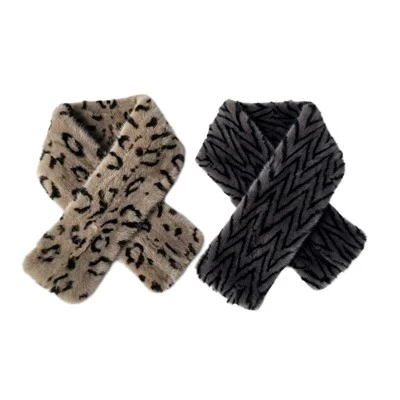
If you’re a brand looking to order custom plush, or even just restock your line with better softness, we’re here to help. We can send swatches, walk you through material options, and even adjust sizes or stuffing to fit your needs. No pressure, just straight talk about what works for your brand.
Apparel Accessories References:
- Textile Institute. (2021). Performance Characteristics of Polyester Fabrics for Soft Toys. Journal of Textile and Apparel, Technology and Management.
- American Pet Products Association. (2022). Consumer Preferences for Softness in Plush Toys and Pet Products. Annual Industry Survey Report.
- Fiber Innovation Technology. (2020). Lofty Polyester Fiberfill for Soft Goods: Durability and Softness Testing Standards. Technical Paper Series.
Tongxiang Meike Leather Co., Ltd.
As one of the most professional plush products manufacturers and suppliers in China, we have world-leading production equipment and strong manufacturing capabilities. Please rest assured to wholesale bulk plush products in stock here and get quotation from our factory. Customized orders are welcome.
Address: 6th Floor, Building 3, No.258 Hangfu Road, Tongxiang City, Zhejiang Province China
E-mail: 18858375059@163.com
WebSite: https://www.fauxfurmk.com/
