When I first started working as a concrete mixer supplier over a decade ago, I used to get plenty of questions from contractors, small construction crews, and even DIY builders about why their batches weren’t mixing consistently. A lot of folks would blame the cement, aggregate quality, or water ratio without realizing the mixer itself is where most mixing efficiency issues start. I’ve spent years testing our machines out on job sites across the country, talking to foremen who’ve been in the business for 30+ years, and tweaking our mixer designs based on real user feedback. Today, I want to share what I’ve learned about how to actually boost mixing efficiency, not just follow generic rules you’ll find online. Concrete Mixer
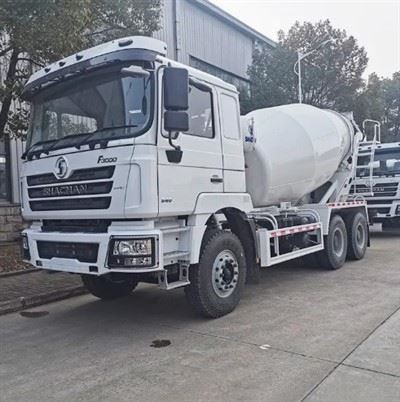
First off, let’s get one thing straight: mixing efficiency isn’t just about how long you run the mixer. It’s about getting every single particle of cement, sand, aggregate, and admixture coated evenly without overworking the machine or wasting materials. Too often, I see people run their mixer for 10+ minutes because they think more time equals a better mix. But that’s a mistake. Overmixing can actually break down the structure of aggregates, weaken the concrete, and make your mixer use way more fuel or electricity than it needs to. From what we’ve tested in our in-house facility, a good batch of ready-mix concrete (for most standard projects) only needs between 2 to 5 minutes of actual mixing time—depending on the mixer’s type and load size.
Now, let’s talk about mixer design, because that’s where a lot of efficiency gains start. If you’re using a drum mixer, the angle of the blades inside the drum makes a huge difference. I remember a contractor coming to us last year, frustrated that his old drum mixer was leaving clumps of un-mixed sand at the bottom of every batch. We took a look, and his blades were worn down so much they were barely lifting the materials—instead of tumbling the concrete evenly, they were just scraping the base of the drum. We replaced the blades with our heavy-duty, angled mixing fins, and within a week he was sending us photos of perfectly uniform batches, with half the waste he’d had before. The key here is that the blades shouldn’t just lift materials—they should create a consistent tumbling action that folds every ingredient into the center of the batch. If your blades are misaligned, bent, or worn, even the best concrete ingredients won’t mix right.
Another design point: load capacity. I can’t tell you how many times I’ve seen someone try to cram more material into their mixer than it’s rated for. A lot of contractors think “fill it up to the top” means they’re getting more work done, but that’s a surefire way to kill efficiency. When a mixer is overloaded, the materials can’t move freely—they just stack on top of each other, so the inner layers never get mixed. On the flip side, running the mixer at less than 50% of its rated capacity isn’t great either, because there’s not enough material to create that natural tumbling action. Our team always recommends running a mixer at 70% to 80% of its maximum load for the best balance. That sweet spot lets the materials move past each other without straining the motor and ensures every particle is exposed to the mixing action.
Next, let’s talk about material preparation before it goes into the mixer. This is something that’s easy to overlook, but it’s one of the biggest drivers of efficiency. I worked on a residential construction site last year where the crew would dump sand and aggregate straight into the mixer, with cement and water added at the same time. They’d end up with a lot of dry cement clumps that wouldn’t break down, and they’d have to run the mixer longer to fix it. The foreman told me he’d been doing it that way for 20 years, but once we suggested adding the water first, then half the aggregate, mixing for 30 seconds, then adding the cement and remaining aggregate, his batch time dropped by 2 minutes and the number of rejects went down by almost 60%. Why does that work? Wetting the aggregate first creates a base that lets the cement coat evenly, instead of cement sticking to dry aggregate and forming clumps. Even something as simple as sifting out large chunks of aggregate before loading can help—if a 2-inch stone gets stuck between blades, it can throw off the entire mixing action for a batch.
Then there’s the issue of admixtures, which are used for everything from water resistance to workability. A lot of crews add admixtures at the wrong time, which can make them stick to the sides of the drum or clump together instead of mixing evenly. We recommend adding liquid admixtures about 1 minute after you start the mixer, once the base concrete is already tumbling. For powder admixtures, mix them with a small amount of water first to make a slurry, then pour it in—this prevents them from floating on top or sinking to the bottom. I’ve seen contractors waste thousands of dollars a year on admixtures because they add them at the start, and half of it never mixes into the batch. Getting that timing right doubles down on efficiency, because you’re not wasting materials and you’re getting the exact properties you need in the concrete.
Maintenance is another big one, and it’s something that’s often pushed to the back burner until the mixer breaks down. A few months ago, a local road crew came to us with a newer mixer that was using 30% more fuel than it should. We checked it out and found that the drum’s inner surface was covered in a thick layer of hardened concrete. That buildup acts like a barrier between the blades and the new batch, so the mixer has to work way harder to tumble the materials. We had them pressure-wash the drum thoroughly, and within a week their fuel usage was back to normal, and their mixing time dropped by a full minute per batch. The rule of thumb we tell all our customers: clean the drum after every 10 to 15 batches, and inspect the blades and bearings monthly. Even small things, like a slightly loose belt on the mixer’s motor, can cause the drum to spin unevenly, leading to inconsistent mixing and longer run times.
What about different types of mixers, you ask? We sell both drum mixers and continuous mixers, and the efficiency tips shift a little depending on which you’re using. For drum mixers (which are most common for smaller jobs and portable setups), the key is the drum’s rotation speed. If it’s spinning too slow, the materials just slide around instead of tumbling; too fast, and they stick to the outer edge, never mixing. For most of our drum mixers, the optimal rotation speed is between 15 and 20 revolutions per minute. If you have an older drum mixer, you might not have a variable speed setting, so checking the rotation with a stopwatch every few weeks is a good idea. For continuous mixers, which are used for large commercial projects, the feed rate of each ingredient matters more than mixing time. You have to calibrate the feeders for cement, aggregate, and water to make sure they’re entering the mixer at a steady, consistent rate—any fluctuation will throw off the mix ratio and require you to run the mixer longer to fix it.
I also want to mention operator training, because even the best mixer in the world won’t run efficiently if the person using it doesn’t know how. Early in my career, I visited a job site where the operator would start the mixer, load all the materials at once, walk away for 10 minutes, then shut it off. The foreman thought he was being efficient because he was running the mixer non-stop, but we tested his batches and they had huge variations in strength—some were too wet, some were too dry. I spent an hour walking him through loading steps, mixing time, and when to add water (or not add more, which is another common mistake). After that, he was able to get consistent batches in half the time, and he even told me he had fewer injuries from overworking the motor. We offer free training for all our customers, because we’ve seen firsthand that a little knowledge goes a long way in boosting efficiency.
Wait, let’s talk about a common mistake with water ratio too. A lot of people add extra water to make the concrete easier to pour, which seems like a quick fix, but it’s terrible for mixing efficiency. If the concrete is too watery, the materials separate in the mixer—aggregate sinks to the bottom, cement water floats on top—so you have to remix it just to get a consistent batch. That extra mixing time not only wastes electricity or fuel, it also weakens the final concrete. We always tell customers to stick to the water-cement ratio specified for their project (usually between 0.4 and 0.6 for standard concrete). If it’s too stiff, you can use an admixture to improve workability without adding extra water. It’s a small change, but it cuts down on mixing time and improves the quality of the concrete at the same time.
Another tip I learned from a bridge construction crew: pre-wetting aggregate that’s very dry. If you’re working in a hot, dry climate, sand and aggregate can absorb a lot of water right out of the mix. By pre-wetting them 10 to 15 minutes before loading, you ensure that the water stays in the concrete instead of being soaked up by the aggregate. Our mixers have a water feed line that can be adjusted, but even with that, pre-wetting cuts down on the amount of water you need, reduces mixing time, and prevents dry spots in the batch. It’s a trick that only took one or two batches to catch on with that crew, and they saved thousands of gallons of water every month on top of improving mix consistency.
Let’s circle back to something that matters for every customer: cost savings. When you improve mixing efficiency, you’re not just getting better concrete—you’re saving money on materials, fuel, and labor. I did a quick calculation last year for a customer who runs 50 batches a week. Before he implemented the tips we talked about—adjusting load size, cleaning the drum regularly, and timing admixtures right—he was spending $1,200 a week on wasted materials and extra fuel. After making those changes, that number dropped to $400 a week. That’s a huge difference for a small business. It also means he could take on more jobs, because he wasn’t wasting time fixing bad batches.
Now, I know every job is different. A small patio pour needs a different approach than a highway bridge, but the core principles stay the same: match the load to your mixer’s rated capacity, keep blades and drums well-maintained, prep materials before loading, time admixtures correctly, and train your operator. If you’re still having trouble, don’t hesitate to reach out—we’ve been in this business long enough to help troubleshoot whatever’s slowing you down. We’ve seen contractors go from struggling with inconsistent batches to hitting project deadlines on time, all just by adjusting how they use their mixer.

If you’re looking to upgrade your mixer or get more out of the one you already have, our team is here to help. We can walk you through choosing the right model for your job site, share more maintenance tips, or answer any questions you have about improving your mixing process. Don’t let inefficient mixing hold your projects back—let’s chat about how we can work together to make your concrete batches better, faster, and cheaper.
Transit Mixer References
- ACI 304R-13: Guide for Measuring, Mixing, Transporting, and Placing Concrete, American Concrete Institute.
- Construction Equipment Maintenance Handbook, National Association of Construction Equipment Distributors.
- Mixer Efficiency Optimization for Portable Concrete Plants, Journal of Construction Engineering and Management, Vol. 142, No. 8, 2016.
- Best Practices for Ready-Mix Concrete Production, Ready Mixed Concrete Association.
Shandong Fuxin Automobile Technology Co., Ltd.
We’re well-known as one of the leading concrete mixer manufacturers and suppliers in China, featured by quality products and good price. Please rest assured to buy advanced concrete mixer made in China here from our factory. Contact us for more details.
Address: West of Nanshou Road, Beihai Road, Weifang City, Shandong Province
E-mail: h17616861003@gmail.com
WebSite: https://www.fuxinautomobile.com/
