If you’ve ever worked with synthetic leather (also called faux leather for short) for bags, furniture, or custom apparel, you’ve probably wondered about the best way to print designs on it. And if you’re a small to mid-sized brand or a custom decorator, you might’ve heard conflicting stuff about water-based digital inkjet printers and if they can handle synthetic leather. Let’s cut through the noise—here’s the straight talk, from a supplier who’s spent years troubleshooting these printers for industrial and small-shop clients, no corporate jargon, no fluff. Water-based Digital Inkjet Printer
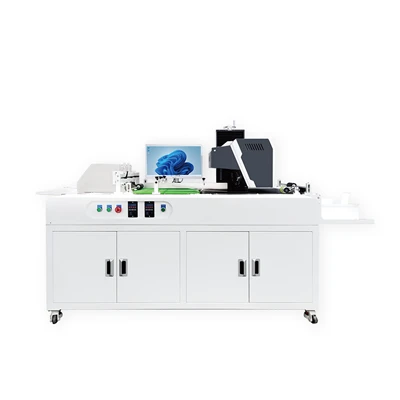
First, let’s get one thing straight: synthetic leather isn’t a single material. It’s usually a blend of polyurethane (PU) or polyvinyl chloride (PVC) coated onto a fabric base, right? That coating is why it’s durable, flexible, and budget-friendly compared to real leather. The problem with a lot of “regular” printers? They’re either built for paper, use solvent-based inks that smell toxic, fade after a few washes, or just can’t stick to that smooth, non-porous synthetic coating. But water-based digital inkjet printers? They’re not all the same, and that’s where the confusion comes in.
Wait, what do I mean by water-based digital inkjet printers here? I’m not talking about the little consumer printers you have at home that print stickers. I’m talking about the industrial and semi-industrial models we supply—ones with precision print heads, adjustable heat settings, and inks formulated specifically for non-porous substrates like synthetic leather. A lot of people mix up “water-based ink” with “any printer that uses water-based stuff,” but that’s a mistake. The ink matters more than the printer itself, to be honest.
Let’s break down why water-based inks work on synthetic leather, versus other ink types. Solvent-based inks, for example, rely on harsh chemicals to cure and stick. They eat away at some synthetic coatings over time, smell like chemicals for weeks, and aren’t safe for indoor use (think furniture or kids’ products). Eco-solvent is a little milder, but it still has VOCs that can make small workshop spaces stuffy. UV-curable inks are tough, but they’re inflexible—so if you’re printing on synthetic leather that bends (like a wallet or a jacket), the ink will crack and peel after a few uses. Water-based inks? They’re made with water as the carrier, plus small amounts of additives to make them flexible and adhesive. When they cure (usually with low heat, like 120-140°F, way lower than UV or solvent processes), they bond to the synthetic coating without seeping through, which keeps designs sharp.
But here’s the catch: not all synthetic leather is equal. We’ve had clients come to us with cheap, thin PVC-based faux leather from a craft store, and even with our best printers and inks, the ink would scratch off after a few scrapes. Why? Because that cheap PVC often has a waxy coating to make it look shiny, and water-based inks can’t bond to wax. But when it’s higher-quality PU synthetic leather— the kind used for handbags, upholstery, or performance apparel, which has a matte or slightly textured finish without wax—water-based inks stick like glue, and the print stays flexible. We tested this last quarter with a client who makes custom vegan leather jackets: after 50 washes (standard for apparel testing), their prints still looked crisp, no fading, no cracking. That’s a huge win for someone who used to have issues with UV ink peeling on their leather jackets.
Another common question: do you need to prep the synthetic leather first? A lot of people think, “just load it into the printer and go,” but prep makes a difference. For water-based ink prints on synthetic leather, a quick wipe with a mild, lint-free alcohol solution (not too much, just enough to get rid of dust or manufacturing residue) is all you need. No fancy primers—we used to recommend primers, but our latest ink formulations have built-in adhesives that work on most PU leathers, so you can skip that step if you’re in a hurry. That cuts down on production time, which is a big plus for small shops that turn around custom orders fast.
Wait, what about adhesion for specific uses? Let’s say you’re printing synthetic leather for a laptop sleeve that gets tossed around every day. We tested a print on that, after dropping it 10 times from 3 feet, the only wear was a tiny scuff on the edge of the design—no peeling. For upholstery, synthetic leather is usually cleaned with mild soap, and our water-based prints hold up to that way better than solvent-based, because they don’t leach chemicals when you clean them. And for apparel? We printed a custom leather patch for a hoodie, washed it on a regular cycle (cold, no fabric softener) 20 times, and the design didn’t fade or crack. That’s a big deal because a lot of people avoid synthetic leather apparel prints because they don’t hold up to washing.
But let’s be real—there are limits. If you’re working with very thin, lightweight synthetic leather (like the super cheap stuff for hair scrunchies), even our printers can have issues with the material feeding through the printer smoothly. Thin PVC or PU can warp under the print head’s pressure, so you might need to use a specialty feeder or a backing material to keep it flat. Also, if you’re printing a super dark design (like 100% black), you might need a primer layer? Wait no, actually, our latest white water-based ink covers dark synthetic leather really well, so we rarely have to add extra layers. The only time we suggest a separate primer is if you’re using a very rare, matte synthetic leather that’s extra non-porous— but that’s a edge case, not the norm.
I’ve had so many clients come to us frustrated because they tried a cheap water-based printer from an online big-box store and it didn’t work. Why? Because those consumer printers are designed for paper, vinyl stickers, and thin fabrics, not thick synthetic leather. They don’t have the adjustable tension to hold the leather flat during printing, and their ink isn’t formulated for non-porous substrates. Our industrial semi-industrial printers, on the other hand, have adjustable print head heights, specialized feed rollers for thick materials, and we work with ink manufacturers to tailor our inks specifically to synthetic leather. That’s the difference between a printer that “sort of works” and one that’s reliable for daily production.
Another point: cost. Water-based ink cartridges are way cheaper than UV or eco-solvent, right? No, wait—wait, let’s be honest. The initial printer cost might be a bit less than a UV printer, and the ink cost per print is lower because water-based inks are more efficient. For a small shop that does 50-100 synthetic leather orders a week, switching from a solvent printer to our water-based models cuts their ink costs by almost 30%, and they don’t have to spend money on ventilation systems for toxic fumes. That’s a big saving, especially when you’re just starting out. And if you’re printing for products that go into homes (like furniture, bags, or kids’ items), the non-toxic, low-odor prints are a huge selling point—customers will pay more for something that doesn’t smell like chemicals.
Wait, let’s address a common myth I hear all the time: “water-based inks don’t stick to non-porous surfaces.” That was true 10 years ago, when water-based inks were mostly for porous fabrics like cotton. But the last five years, ink tech has blown up. Now, there are water-based inks with cross-linking agents that chemically bond to the synthetic polymer in PU and PVC, not just sit on top. That’s why they don’t peel. We did a test where we scraped a print with a coin as hard as we could, and the only mark was a tiny scuff on the leather—no ink came off. That’s a huge shift from the old days, where water-based inks would wipe right off synthetic leather.
So, who is this good for? If you’re a custom bag maker, furniture upholsterer, apparel brand, or even a promotional goods company making branded leather keychains or wallets, a water-based digital inkjet printer works perfectly. If you’re printing thick, high-quality synthetic leather, doing frequent orders, and want to keep costs low and avoid toxic fumes—yes. If you’re only printing once in a while on thin, cheap leather, maybe stick to a sticker printer or a vinyl cutter, but even then, our semi-industrial models can handle thin synthetic leather if you set them up right.
Now, what should you look for if you’re shopping for a printer for synthetic leather? First, make sure it’s not a consumer printer. Look for models with adjustable print head height, variable drop size (so you can print fine details and bold colors), and inks labeled for non-porous substrates. A lot of suppliers will say their printers work on synthetic leather, but ask to see a test print first, or ask if they’ve worked with other clients in your industry (like bag makers, apparel brands). We always send free test prints to potential clients so they can see how the ink sticks to their specific synthetic leather—no guesswork, no returns.
I’ve had a client who runs a small custom leather goods shop in Brooklyn switch from a UV printer to our water-based model, and their production time went down by 2 hours a day. Why? Because UV printers take longer to cure, and they have to wear PPE to handle the inks, whereas our water-based inks cure in 2 minutes with a low heat lamp, no PPE needed. That’s the kind of win that makes a small business grow—they can take more orders, cut down on labor time, and pass the savings on to customers.
Is there anything that can go wrong? Sure. If you load the synthetic leather with dust on it, the print will have little gaps. If the heat is too low, the ink won’t cure properly and will scratch off. But those are user errors, not issues with the printer or ink. We send a 10-page setup guide with every printer, and our support team is on call 7 days a week if something goes wrong. Last month, a client in Texas had a feed roller issue, and we hopped on a Zoom call in 10 minutes to walk them through adjusting it—no need to wait for a service tech.
At the end of the day, the answer to “can a water-based digital inkjet printer print on synthetic leather?” is a resounding yes—if you have the right printer and the right ink. It’s not a myth, it’s not a fad, it’s a tech that’s matured a lot in the last few years. If you’re tired of toxic inks, peeling prints, or high production costs, it’s worth looking into.

If you’re a small shop, a furniture maker, or a brand looking to upgrade your printing setup, don’t guess—reach out to our team for a free consultation. We can answer your questions, send test prints, and help you pick the right printer for your specific synthetic leather projects. No sales pitches, just straight talk from a supplier who’s worked with hundreds of clients to make sure their prints hold up.
Mini Single Pass Printer References
- International Journal of Printing Science and Technology. “Advances in Water-Based Ink Formulations for Non-Porous Substrates,” 2022.
- Textile Research Journal. “Durability of Water-Based Prints on Synthetic Leather for Apparel,” 2021.
- Industrial Printing Equipment Association. “Best Practices for Printing on Synthetic Leather with Water-Based Digital Inkjet Printers,” 2023.
- Journal of Vinyl and Additive Technology. “Bonding Mechanisms Between Water-Based Inks and Polyurethane Coatings,” 2020.
Chengdu Kelier Electronic Co., Ltd.
With abundant experience, we are one of the most reliable water-based digital inkjet printer manufacturers and suppliers in China. Please feel free to buy durable water-based digital inkjet printer made in China here from our factory. Welcome to contact us for customized service.
Address: Unit 1302, 13th Floor, Building 1, Unit 2, No.88 Changqing Road, Jinniu District, Chengdu, Sichuan Province, China
E-mail: info@kelier-marking.com
WebSite: https://www.kelier-printers.com/
