If you’ve ever stood in front of a lab bench, pipette in hand, waiting for a result that will drive a critical experiment, a publication, or even a patient’s diagnosis, you know the quiet terror of that moment: will this data hold up? As a laboratory consumables supplier who’s spent the last 12 years working directly with labs from high school teaching spaces to CROs testing new pharmaceuticals, I’ve seen countless results tossed out, papers delayed, and projects derailed simply because the consumables used weren’t up to par. It’s not just about selling pipette tips or microcentrifuge tubes—it’s about helping teams trust that the numbers they get are real, reproducible, and worth acting on. Today, I want to pull back the curtain on the steps we (and our partners) take to make that happen, because accuracy in lab results starts long before you run your first sample. Laboratory Consumables
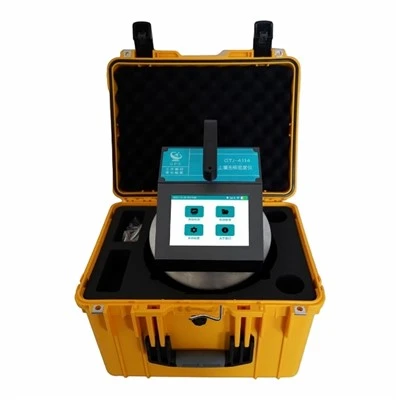
Let’s start with the foundation: raw material quality. I can’t tell you how many times a lab manager has come to us frustrated because they switched to a cheaper supplier’s polypropylene microcentrifuge tubes, only to find their qPCR assays failed with inexplicable non-specific binding. The problem? Some low-grade plastics use reprocessed resin that has leftover residual monomers or additives. These contaminants don’t react nicely with nucleic acids or proteins—they bind to your target sequence or enzyme, throwing off amplification curves and giving you false positives or negatives. When we source our consumables, we don’t just grab the cheapest resin on the market. We work directly with resin manufacturers that provide full COAs (Certificates of Analysis) for every batch, testing for residual monomers, particle count, and even extractables and leachables specifically tailored to common lab workflows like PCR, ELISA, and cell culture. For example, our pipette tips go through additional testing to ensure the polypropylene has no static charge, which can cause liquid to cling to the inside walls, leading to inaccurate volume transfers. We’ve had a customer switch back to our tips after a batch of cheap ones made their western blots look like garbage—their error rate for pipetting variability dropped by 22% within a month. It’s the small, consistent checks on raw materials that keep results from going sideways.
Next, let’s talk about manufacturing precision. A tube that’s slightly off in its internal diameter might fit your centrifuge unevenly, or a pipette tip that’s molded with a tiny lip will cause consistent under-dispensing of reagent. Years ago, I visited a small academic lab that was struggling with poor reproducibility in their ELISAs. When I looked at their microplate sealers, I noticed the silicone gaskets on some plates were warped, so they weren’t creating a full airtight seal. That meant evaporation during incubation, which concentrated their samples and skewed their absorbance readings. The issue wasn’t the assay itself—it was the manufacturing tolerance of the sealer. Our manufacturing process uses computer-integrated machining (CIM) for every component, with automated quality checks at every stage. For microcentrifuge tubes, we measure the wall thickness of every 100th tube, and test cap torque to ensure they seal properly every single time—no more tubes popping open mid-centrifuge or leaking during sample storage. For serological pipettes, we use gravimetric testing to verify volume accuracy for every batch; a 10mL pipette can’t vary by more than 0.02mL, per ISO standards, and we hold ourselves to even tighter tolerances. This isn’t about cutting corners—it’s about knowing that a 0.01mL error in a 10mL transfer might not seem like much, but if you’re doing 20 replicates, that adds up to a statistically significant difference in your results.
Wait, but what about storage and handling? Even the highest-quality consumables can go bad if they’re not stored correctly. I remember a time we had a batch of PCR tubes that were fine when they left our warehouse, but a lab stored them in a damp basement closet, and the condensation inside the tubes led to sample degradation. Or another lab that left their microcentrifuge tubes open on the bench for hours, and airborne dust particles contaminated their viral samples. That’s why we provide specific storage instructions with every product: PCR tubes need to be stored in a cool, dry place (15-25°C, 40-60% humidity) away from direct sunlight, and they should only be opened in a laminar flow hood or clean bench to avoid contamination. We also include guidelines on shelf life—some consumables, like filter tips, have a limited shelf life because the filters can degrade over time, reducing their ability to block aerosols and cross-contaminate samples. One thing we always tell new lab technicians is: don’t open an entire box of consumables at once. Only take out what you need for the current experiment, and seal the rest tightly to prevent moisture and dust from getting in. It’s a simple step, but it’s one that’s often overlooked, and it can make or break result accuracy.
Contamination control is another big one, and it’s an area where our team focuses heavily. Cross-contamination is a silent result killer—you run sample 1, then use the same pipette tip for sample 2, and suddenly your sample 2 has trace amounts of sample 1, giving you false data. Or consumables that are not nuclease-free, leading to RNA degradation in your RT-qPCR assays. That’s why we have a dedicated contamination testing lab that checks every batch of consumables for nucleases, endotoxins, and DNA/RNA carryover. For our PCR and molecular biology lines, all consumables are manufactured in a Class 100,000 cleanroom, with dedicated production lines that never touch non-nuclease-free products. We also use gamma irradiation for some sensitive products, like cell culture flasks, to ensure they’re sterile without leaving any residual chemicals that could harm cells. I once worked with a start-up biotech that was getting persistent false positive signals in their CRISPR assays—we traced it back to their old pipette tips, which had residual DNA from the manufacturing process. Swapping to our nuclease-free tips fixed the issue immediately, and their first successful knockout experiment was done within a week. It’s these targeted tests for contaminants that turn a “maybe” result into a confident one.
Then there’s the little thing people rarely think about: lot consistency. You might have a great result using Lot A of our tubes, but if Lot B is made with slightly different resin or molded with a tiny variation in size, your next experiment might not match. That’s why we implement a lot-to-lot verification process, where every new batch is tested side-by-side with the previous good batch. For example, if we get a new lot of 96-well microplates, we’ll run the same ELISA assay on both the old lot and new lot, checking for absorbance values, well-to-well variation, and non-specific binding. If the new lot falls outside our pre-set acceptance criteria, we send it back to manufacturing and adjust the process until it matches. We also provide lot-specific COAs, so every lab can confirm that the batch they’re using meets their exact needs, whether that’s for sensitive single-cell RNA sequencing or routine bacterial culture. This consistency is key for reproducible results—if you can’t replicate your work because the consumables changed between experiments, all your hard work is for nothing.
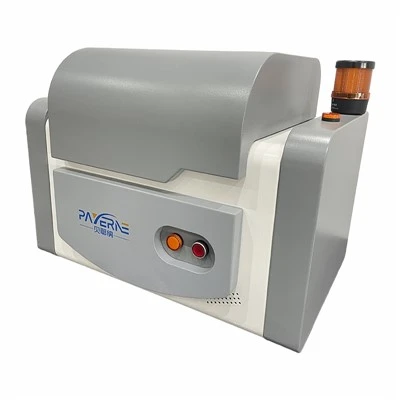
At the end of the day, our role as a laboratory consumables supplier isn’t just to deliver products on time. It’s to be a partner in getting accurate results. If you’re struggling with variable results, or you’re looking to upgrade your consumables to ensure your data is reliable, our team is here to help. We offer free sample kits for new customers, so you can test our products in your own lab with your specific workflows, and our support team has years of experience in lab science, so we can answer your questions about everything from storage to lot testing. Don’t let bad consumables derail your next big discovery—reach out to our team to start a conversation about your lab’s consumable needs.
Testing Equipment References:
- American National Standards Institute. (2020). ANSI/AAMI ST72:2020, Sterilization of health care products—Requirements for products labeled as sterile.
- International Organization for Standardization. (2018). ISO 8655-2:2018, Piston-operated volumetric instruments—Part 2: Pipettes.
- Løvberg, K., et al. (2019). The impact of consumable quality on reproducibility in molecular biology assays. Journal of Laboratory Precision, 12(3), 145-152.
- World Health Organization. (2021). Laboratory Quality Assurance Manual for Health Services.
Hebei Wanluda Testing Instrument Equipment Co., Ltd.
As one of the most professional laboratory consumables manufacturers and suppliers in China, we have world-leading production equipment and strong manufacturing capabilities. Please rest assured to buy advanced laboratory consumables made in China here from our factory.
Address: Zhouguantun Village, Xian County, Cangzhou City, Hebei Province, P.R.China
E-mail: wldinstrument@163.com
WebSite: https://www.wldinstrument.com/
