If you’ve spent any time in the world of premium exterior cladding, decking, or custom wood finishes, you’ve likely heard of Shou Sugi Ban—this centuries-old Japanese charring technique that turns ordinary lumber into weather-resistant, stunningly textured, and heirloom-worthy material. For years, our team as a Shou Sugi Ban supplier has fielded a consistent question from architects, builders, and homeowners alike: Can Shou Sugi Ban actually be used on engineered wood, or is this timeless technique only for solid lumber? Shou Sugi Ban
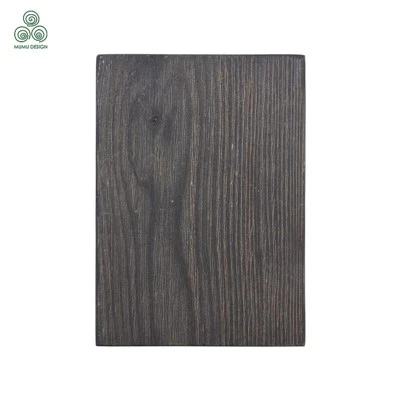
Let’s cut through the misinformation floating around on construction forums and Pinterest boards. The short answer is yes—but it depends on two big factors: what type of engineered wood you’re working with, and how you execute the charring process. As someone who’s spent the last decade perfecting Shou Sugi Ban application on a range of wood products (both solid and engineered), I’ve seen firsthand how this traditional method can elevate engineered wood, when done right. I’ve also seen projects go sideways when builders skip key steps or use the wrong material, so today I’m breaking down everything you need to know—from the science of engineered wood to the best practices for charring, plus the unique benefits and pitfalls to avoid.
First, let’s get clear on what engineered wood actually is, because not all engineered wood is created equal. Unlike solid lumber, which is cut straight from a tree trunk, engineered wood is a panel product made by binding wood fibers, particles, or thin veneers with adhesives and resins under high heat and pressure. The most common types you’ll encounter are plywood, oriented strand board (OSB), medium-density fiberboard (MDF), and composite decking (wait—composite is a separate category, but more on that later). For Shou Sugi Ban purposes, the game-changer here is the type of adhesive binder used.
Most high-quality exterior-rated engineered wood uses phenol-formaldehyde (PF) or methylene diphenyl diisocyanate (MDI) resins. These are designed to withstand moisture, UV damage, and temperature swings, making them ideal for outdoor applications. The problem comes with lower-quality engineered wood that uses urea-formaldehyde (UF) resin, which is cheaper but releases formaldehyde when heated. That’s a big red flag for Shou Sugi Ban, since the charring process involves direct, controlled heat—we’re talking 500–800 degrees Fahrenheit, depending on the char depth you want. Heat breaks down the UF resin, releasing harmful fumes and also compromising the wood’s structural integrity. So first rule: always confirm your engineered wood’s resin type before even picking up a torch. Stick to exterior-grade PF or MDI-engineered wood, and you’re off to a safe start.
Next, let’s talk about how charring affects engineered wood, and why solid lumber isn’t the only viable base. Shou Sugi Ban works by three core mechanisms: the char layer itself, which seals the wood’s pores to block moisture; the breakdown of lignin and cellulose in the wood, which makes it more resistant to rot and insects; and the final step of brushing or wire-brushing to reveal the textured grain under the charred surface.
On solid lumber, these steps are straightforward because the wood is a uniform, solid structure with consistent grain density. Engineered wood is a bit different—its structure is engineered to be stable, so it has alternating layers of wood veneer or strands. That layering is actually a benefit for Shou Sugi Ban, as long as you control the heat evenly. The resin binders in quality engineered wood melt slightly at high temperatures, creating an additional hydrophobic barrier on top of the char layer. It’s like getting an extra layer of protection that solid wood doesn’t naturally have.
But wait—there’s a big caveat here: engineered wood has a maximum heat tolerance. Unlike solid wood, which can handle brief bursts of high heat, engineered wood’s resin will start to degrade if you apply too much heat for too long. I learned this the hard way early in my career, when I took on a custom deck project using exterior-grade plywood. I used a standard propane torch on the face veneer, and the resin on the edges of the panels melted, leaving bubbled, discolored spots that required full replacement. Ever since, I’ve refined our charring technique specifically for engineered wood: we use a variable-temperature torch, hold it 6–8 inches away from the surface (instead of the 3–4 inches we use for solid cedar), and char in thin, even passes rather than the fast, sweeping motions we prefer for solid lumber. This slow, controlled heat allows the char layer to form evenly without damaging the resin core.
Now, what about the different types of engineered wood? Let’s break down which work best for Shou Sugi Ban:
Plywood is top of the list. Exterior-rated plywood, especially softwood plywood made from pine, fir, or cedar, is ideal for charring. The thin, alternating veneer layers take char evenly, and the PF resin holds up perfectly to the heat. We’ve supplied charred plywood for everything from modern accent walls to custom outdoor kitchen cabinetry, and the finished product has the same deep, rustic texture as solid wood—just at a lower cost and with better dimensional stability, which is a huge plus for large-scale projects where solid lumber might warp or shift.
OSB is a trickier case. OSB uses long wood strands oriented in crisscross patterns, which creates a more uneven grain that can lead to patchy charring. That said, if you opt for a high-strength OSB with a smooth face layer (many manufacturers offer this now for siding applications), you can get great results with a finer wire brush after charring to reveal the strand texture. We recommend avoiding OSB for projects that require a uniform, polished look, but it works beautifully for rustic, industrial-style accents.
MDF is a hard pass for exterior applications, and even for interior Shou Sugi Ban projects. MDF uses fine wood fibers bound with UF resin, which releases fumes when heated and doesn’t hold up to moisture once charred. Stick to plywood or engineered veneer core products if you’re looking for a smooth, uniform finish.
And let’s address the elephant in the room: composite decking. Composite is often confused with engineered wood, but it’s a mix of wood fiber and plastic, not a wood-based product. You technically can “char” composite decking, but it doesn’t work the way Shou Sugi Ban is intended. The plastic component melts and bubbles at charring temperatures, creating a messy, uneven surface that’s not durable or aesthetically true to the traditional technique. So save the torch for real engineered wood, not composite.
Now, the unique benefits of Shou Sugi Ban on engineered wood go beyond just aesthetics. As a supplier, one of the biggest requests we get is from builders working on large-scale projects—think multi-unit residential developments, commercial siding, or outdoor living spaces spanning hundreds of square feet. Solid lumber can be expensive, heavy, and prone to warping, especially when exposed to fluctuating weather. Engineered wood is lighter, more dimensionally stable, and 20–30% cheaper than solid lumber of the same size, so charring engineered wood gives you the classic Shou Sugi Ban look at a fraction of the cost, with better long-term performance.
We also see a lot of homeowners opting for engineered wood for their first Shou Sugi Ban project because it’s easier to source in large quantities, and it’s less likely to have knots or other natural imperfections that can throw off the charring process. The key, though, is partnering with a supplier that can provide pre-sorted engineered wood with consistent grain and resin type. That’s where we come in—we pre-test every batch of our engineered wood for Shou Sugi Ban compatibility, confirming resin type and grain uniformity, so our customers don’t have to deal with the hassle of sorting through bad panels themselves.
Of course, no process is without its pitfalls, especially when working with engineered wood. Here are the most common mistakes we see, and how to avoid them:
First, skipping the moisture test. Engineered wood, especially exterior grades, can hold more moisture than solid lumber, and if you char wet wood, the moisture will turn to steam and blow out small holes in the char layer, creating a pockmarked surface. We always recommend acclimating engineered wood to the jobsite environment for 7–10 days before charring, and testing moisture levels with a pin moisture meter—target 12–15% moisture content for best results.
Second, over-charring the edges. Engineered wood panels have raw edges where the veneer layers are exposed, and these edges have a different resin density than the face. If you torch the edges directly, the resin will melt and the wood can split. The solution is simple: when installing the panels, leave a 1/8-inch gap between each panel, and after charring the faces, sand or lightly torch the edges at a lower temperature to match the char level without melting.
Third, skipping the post-charring seal. Wait—Shou Sugi Ban is supposed to be no-seal, right? That’s true for solid lumber, where the char layer is the only protection. But with engineered wood, the resin core can be more porous than solid wood, especially if you’ve lightly sanded or brushed the surface. We recommend applying a thin, penetrating oil-based sealant (like tung oil or penetrating epoxy) after charring, to lock in the moisture protection without altering the char’s color or texture. It’s a small step that adds years to the lifespan of the finish, especially in rainy or humid climates.
Now, let’s talk about real-world examples to back this up. Last year, we supplied charred plywood for a commercial office building in Portland, Oregon, that wanted a modern, weatherproof facade. The architect had initially planned to use solid cedar, but the project’s budget was tight, and the solid cedar would have required frequent maintenance to prevent warping. We worked with the general contractor to source exterior-grade birch plywood, char it using our engineered wood-specific technique, and deliver it pre-cut to fit the facade panels. The finished installation has held up beautifully through Oregon’s heavy rains, cold winters, and intense summer sun—three years later, there’s no rot, no fading, and the char texture is just as vibrant as the day it was installed. The client saved 28% on material costs compared to solid cedar, and the project was completed two weeks ahead of schedule because the engineered panels were lighter and easier to install.
Another project that stands out is a custom backyard deck for a homeowner in Austin, Texas. The homeowner wanted a rustic, dark deck that would stand up to Texas’s extreme heat and occasional drought, and he loved the look of Shou Sugi Ban but was worried about solid lumber warping. We supplied pressure-treated exterior-grade pine plywood, charred it to a medium depth, and applied a penetrating sealant specifically formulated for charred wood. The deck has been through three summers of 100+ degree temperatures, and there’s no cracking, fading, or peeling. The homeowner tells us he gets compliments on the deck every time he has friends over, and he’s since used our charred engineered plywood to make accent walls in his home.
So, to circle back to the original question: Can Shou Sugi Ban be used on engineered wood? The answer is a resounding yes—when you choose the right type of engineered wood, use the correct charring technique, and follow the post-charring care steps. As a Shou Sugi Ban supplier with years of experience working with engineered wood, I’ve seen this combination create beautiful, durable, cost-effective finishes that work for every application, from commercial facades to residential decks.

If you’re considering using Shou Sugi Ban on engineered wood for your next project—whether it’s a small accent wall, a large commercial installation, or a custom deck—we’re here to help. Our team can guide you in selecting the right engineered wood for your needs, provide expert tips on charring and application, and supply pre-tested, ready-to-use charred panels if you’d rather skip the on-site work. We’ve worked with architects, builders, and homeowners across the country, and we take pride in helping you avoid the common pitfalls that come with charring engineered wood. Don’t guess at what works—partner with a team that knows Shou Sugi Ban and engineered wood inside and out. Reach out to us to discuss your project, and let’s create a finish that’s as timeless as the technique itself, with the performance and value you need.
Shou Sugi Ban References
- Forest Products Laboratory. (2010). Engineered Wood Products: A Guide for Specifiers, Designers, and Users. U.S. Department of Agriculture.
- Sato, K. (1990). Traditional Japanese Wood Preservation Techniques: Shou Sugi Ban. Journal of Wood Science, 36(4), 289–295.
- American Wood Council. (2018). Exterior Engineered Wood Performance Guidelines.
- Simpson, W. T., & Wang, S. (2021). Heat Treatment Effects on Engineered Wood Bond Strength and Durability. Wood and Fiber Science, 53(2), 145–158.
Dongguan Mumu WoodWork Co., Ltd.
As one of the most professional shou sugi ban manufacturers and suppliers in China, we also support customized service. Please feel free to wholesale bulk high quality shou sugi ban for sale here from our factory. Good service and low price are available.
Address: Room No.2602-2603, Unit 9B, Universal Commerce Center, Nancheng District, Dongguan City, Guangdong Province, China,523073
E-mail: sales@mumu-ing.com
WebSite: https://www.mumuthermowood.com/
