In the dynamic landscape of industrial automation, palletizing and depalletizing robots stand at the forefront of innovation, revolutionizing how goods are handled in warehouses, distribution centers, and manufacturing plants. As a trusted supplier of these advanced robotic systems, I’ve witnessed firsthand the remarkable technological progress that has propelled the capabilities of palletizing and depalletizing robots to new heights. In this blog, I’ll delve into the latest technological advancements in these robots, exploring how they are enhancing efficiency, flexibility, and safety in material handling operations. Palletizing/Depalletizing Robot
Vision Systems: Precision and Adaptability
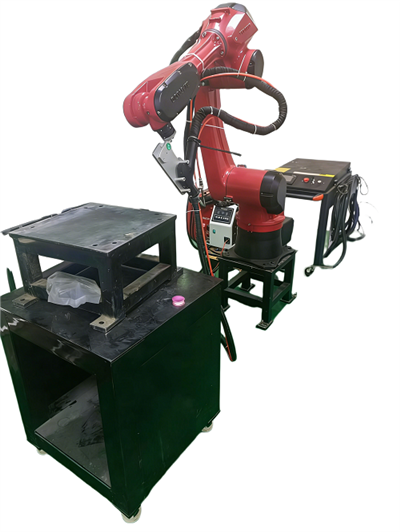
One of the most significant advancements in palletizing and depalletizing robots is the integration of sophisticated vision systems. These systems use cameras, sensors, and advanced algorithms to provide robots with a high – level perception of their environment. With 2D and 3D vision capabilities, robots can accurately identify the position, orientation, and shape of products on pallets.
For instance, in a mixed – SKU palletizing scenario, where different types of products need to be stacked on a single pallet, vision systems enable the robot to quickly recognize each item. It can then adjust its grasping strategy accordingly, ensuring a secure hold and proper placement. This adaptability is crucial in modern supply chains, where product variety is constantly increasing.
Moreover, vision systems enhance the safety of the operation. They can detect obstacles in the robot’s workspace in real – time, allowing the robot to pause or adjust its path to avoid collisions. This is especially important in shared workspaces where human operators and robots may work in close proximity.
Force – Sensing Technology: Gentle Handling and Damage Prevention
Force – sensing technology has also made great strides in recent years. Palletizing and depalletizing robots are now equipped with force – torque sensors that can measure the amount of force applied during the gripping and lifting process.
This technology is particularly valuable when handling fragile or irregularly shaped products. The robot can dynamically adjust the gripping force based on the characteristics of the item, ensuring gentle handling and minimizing the risk of product damage. For example, when depalletizing glass bottles or delicate electronic components, the force – sensing capabilities prevent over – gripping that could lead to breakage.
In addition, force – sensing can be used for quality control purposes. By monitoring the feedback from the sensors during the palletizing and depalletizing operations, the system can detect any anomalies, such as a product that is not properly seated or a damaged item on the pallet.
Improved End – Effectors: Versatility in Handling
The design of end – effectors, the tools at the end of the robot’s arm, has also evolved significantly. Modern end – effectors are highly customizable and can be tailored to handle a wide range of products.
Vacuum grippers are still widely used for handling flat and smooth – surfaced items, but they have become more efficient and reliable. New materials and designs have increased the gripping force and reduced the risk of air leakage, ensuring a secure hold even at high speeds.
For products with irregular shapes or that require a more complex gripping mechanism, robotic fingers and multi – function grippers have been developed. These end – effectors can adapt to different product geometries, providing a more versatile solution for palletizing and depalletizing tasks.
Some end – effectors are also equipped with quick – change systems. This allows the robot to switch between different types of grippers rapidly, depending on the product being handled. This flexibility is essential for operations that deal with a diverse range of products on a daily basis.
Artificial Intelligence and Machine Learning: Smart Optimization
Artificial intelligence (AI) and machine learning (ML) are transforming palletizing and depalletizing robots into intelligent systems. These technologies enable robots to learn from past experiences and optimize their performance over time.
AI algorithms can analyze data from multiple sources, such as vision systems, force sensors, and historical palletizing patterns. Based on this analysis, the robot can generate the most efficient palletizing or depalletizing strategies. For example, it can determine the optimal stacking sequence to maximize space utilization on the pallet or the best path to follow when depalletizing.
Machine learning models can also predict potential issues and take preventive actions. For instance, if the robot detects a pattern of product misalignment during depalletizing, the ML algorithm can adjust the gripping strategy or the robot’s movement trajectory to avoid future problems.
In addition, AI – powered robots can communicate with other systems in the warehouse, such as inventory management and conveyor systems. This integration enables seamless coordination and improves the overall efficiency of the material handling process.
Collaborative Robotics: Human – Robot Interaction
Collaborative robots, or cobots, are a growing trend in the field of palletizing and depalletizing. These robots are designed to work safely alongside human operators, sharing the same workspace.
Cobots are equipped with safety features such as collision detection sensors and limited force exertion. If a human operator comes into contact with the robot, the robot will immediately stop or reduce its force, preventing injuries.
This collaborative approach offers several advantages. In some cases, human operators can perform tasks that require human judgment, such as quality inspection, while the cobot handles the repetitive and physically demanding palletizing or depalletizing tasks. This combination of human and robotic capabilities improves productivity and job satisfaction.
Moreover, cobots are relatively easy to program and install, making them a cost – effective solution for small and medium – sized enterprises. They can be quickly reconfigured for different products and palletizing patterns, providing flexibility in changing production environments.
Cloud Connectivity and Remote Monitoring
The latest palletizing and depalletizing robots are often connected to the cloud, enabling remote monitoring and management. This connectivity allows operators to access real – time data about the robot’s performance, such as cycle times, error rates, and maintenance status, from anywhere in the world.
Remote monitoring also facilitates predictive maintenance. By analyzing the data collected from the robot’s sensors, the system can detect early signs of component wear or malfunction. This allows maintenance teams to schedule repairs in advance, reducing unplanned downtime and improving the overall reliability of the robot.
In addition, cloud – connected robots can receive software updates remotely. This ensures that the robot is always running the latest version of the operating system and control algorithms, taking advantage of the newest features and performance improvements.
Conclusion: Embracing the Future of Palletizing and Depalletizing
The technological advancements in palletizing and depalletizing robots are transforming the way industries handle materials. From vision systems and force – sensing technology to AI and collaborative robotics, these innovations are enhancing efficiency, flexibility, and safety in the workplace.
As a supplier of palletizing and depalletizing robots, I am excited to be at the forefront of this technological revolution. Our team is committed to providing cutting – edge solutions that meet the evolving needs of our customers. Whether you are a large – scale manufacturer looking to optimize your production line or a warehouse operator seeking to improve your material handling processes, our robots can offer significant benefits.
Nail Gun Robot If you are interested in learning more about how our palletizing and depalletizing robots can enhance your operations, I encourage you to reach out to us. We would be delighted to discuss your specific requirements and provide you with a customized solution. Let’s work together to embrace the future of industrial automation and take your business to the next level.
References
- "Industrial Robotics: Technology, Programming, and Applications" by Peter Corke
- "Automation and Robotics in Warehousing and Logistics" by Rainer Anderl
- Industry reports from leading research firms such as ABI Research and MarketsandMarkets on the robotics and automation sector.
Dongguan Chuanglida Intelligent Equipments Co., Ltd.
As one of the most professional palletizing/depalletizing robot manufacturers and suppliers in China, we also support customized service. Please feel free to buy discount palletizing/depalletizing robot in stock here from our factory. For price consultation, contact us.
Address: Room 201, Building 2, No. 61, Shachang 1st Road, Dalang Town, Dongguan City, Guangdong Province
E-mail: haoguangli001@outlook.com
WebSite: https://www.boruntestech.com/
