Embarking on a journey into robot system research is an exhilarating and rewarding venture. As a supplier in the Robot System industry, I’ve witnessed firsthand the transformative power of this field. In this article, I’ll share some insights on how you can get involved in robot system research, drawing from my own experiences and the knowledge gained in the industry. Robot System
Understanding the Basics of Robot Systems
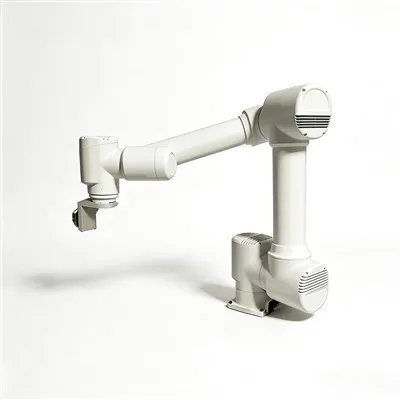
Before delving into research, it’s essential to have a solid foundation in the basics of robot systems. A robot system typically consists of several components, including a mechanical structure, sensors, actuators, and a control system. The mechanical structure provides the physical framework for the robot, while sensors gather information about the robot’s environment. Actuators are responsible for the movement of the robot, and the control system processes the sensor data and sends commands to the actuators.
To gain a better understanding of these components, you can start by studying textbooks on robotics, such as "Introduction to Autonomous Mobile Robots" by Roland Siegwart and Illah Reza Nourbakhsh or "Robotics: Modelling, Planning and Control" by Bruno Siciliano, Lorenzo Sciavicco, Luigi Villani, and Giuseppe Oriolo. These books cover a wide range of topics, from kinematics and dynamics to sensor fusion and motion planning.
Exploring Different Types of Robot Systems
There are many different types of robot systems, each designed for specific applications. Some common types include industrial robots, service robots, autonomous vehicles, and humanoid robots. Industrial robots are used in manufacturing processes, such as welding, painting, and assembly. Service robots are designed to perform tasks in non-industrial settings, such as cleaning, delivery, and healthcare. Autonomous vehicles are self-driving cars, trucks, and drones that can navigate without human intervention. Humanoid robots are designed to resemble humans in appearance and behavior and can be used for research, entertainment, and education.
To explore different types of robot systems, you can attend robotics conferences, workshops, and trade shows. These events provide an opportunity to learn about the latest research and developments in the field, as well as to meet with researchers, engineers, and industry professionals. You can also visit robotics research laboratories and companies to see the robots in action and to talk to the people who are working on them.
Joining a Research Group or Laboratory
One of the best ways to get involved in robot system research is to join a research group or laboratory. Research groups and laboratories are typically led by experienced researchers who have expertise in a specific area of robotics. By joining a research group or laboratory, you can work on cutting-edge research projects, collaborate with other researchers, and learn from their expertise.
To find a research group or laboratory that interests you, you can search online for robotics research institutions, universities, and companies. You can also look for research groups or laboratories that are working on projects that align with your interests and skills. Once you have identified a research group or laboratory that you are interested in, you can contact the lead researcher and express your interest in joining the group. You may need to submit a resume, a cover letter, and a statement of research interests.
Participating in Hackathons and Competitions
Hackathons and competitions are another great way to get involved in robot system research. Hackathons are events where participants work together in teams to solve a specific problem or to develop a new technology. Competitions are events where participants compete against each other to develop the best robot system or to solve a specific problem.
By participating in hackathons and competitions, you can gain hands-on experience in designing, building, and programming robot systems. You can also learn from other participants, collaborate with them, and showcase your skills and creativity. To find hackathons and competitions that are relevant to your interests, you can search online for robotics events, websites, and forums. You can also follow robotics companies and organizations on social media to stay updated on the latest events.
Publishing Your Research
Publishing your research is an important step in getting involved in robot system research. By publishing your research, you can share your findings with the scientific community, get feedback from other researchers, and establish yourself as an expert in the field. There are many different types of publications, including journals, conferences, and workshops.
To publish your research, you need to write a research paper that describes your work in detail. Your research paper should include an introduction, a literature review, a description of your methodology, your results, and a conclusion. You should also follow the guidelines and formatting requirements of the publication that you are submitting to. Once you have written your research paper, you can submit it to a journal, a conference, or a workshop. If your research paper is accepted, it will be published and made available to the scientific community.
Building a Network of Contacts
Building a network of contacts is another important step in getting involved in robot system research. By building a network of contacts, you can learn about new research opportunities, collaborate with other researchers, and stay updated on the latest developments in the field. There are many different ways to build a network of contacts, including attending conferences, workshops, and trade shows, joining professional organizations, and participating in online communities.
To build a network of contacts, you need to be active and engage with other researchers, engineers, and industry professionals. You can start by introducing yourself, asking questions, and sharing your research interests. You can also offer to collaborate on research projects, share your expertise, and help others. By building a strong network of contacts, you can increase your visibility in the field, establish yourself as an expert, and open up new opportunities for research and collaboration.
Applying for Research Grants and Funding
Applying for research grants and funding is an important step in getting involved in robot system research. Research grants and funding can provide you with the resources and support that you need to conduct your research, purchase equipment and supplies, and hire research assistants. There are many different types of research grants and funding, including government grants, industry grants, and foundations grants.
To apply for research grants and funding, you need to identify the funding sources that are relevant to your research interests and goals. You can search online for research grants and funding opportunities, as well as for the application requirements and deadlines. Once you have identified the funding sources that you are interested in, you need to write a research proposal that describes your work in detail. Your research proposal should include an introduction, a literature review, a description of your methodology, your results, and a budget. You should also follow the guidelines and formatting requirements of the funding source that you are applying to. Once you have written your research proposal, you can submit it to the funding source. If your research proposal is accepted, you will receive the funding and support that you need to conduct your research.
Conclusion
Getting involved in robot system research is an exciting and rewarding journey. By following the steps outlined in this article, you can gain the knowledge, skills, and experience that you need to become a successful researcher in the field. Whether you are a student, a professional, or an enthusiast, there are many different ways to get involved in robot system research. So, don’t hesitate to take the first step and start exploring the world of robotics today.

If you are interested in learning more about our robot systems or would like to discuss potential research collaborations or procurement opportunities, please feel free to reach out to us. We are always open to new partnerships and projects that can advance the field of robotics.
References
Six-Axis Collaborative Robot Siegwart, Roland, and Illah Reza Nourbakhsh. Introduction to Autonomous Mobile Robots. MIT Press, 2004.
Siciliano, Bruno, et al. Robotics: Modelling, Planning and Control. Springer, 2009.
Xinweilai Intelligent Technology (Shandong) Co., Ltd.
As one of the most professional robot system manufacturers and suppliers in China, we’re featured by quality products and good service. Please rest assured to wholesale bulk customized robot system from our factory. For pricelist and quotation, contact us now.
Address: Jinghua Road, Economic and Technical Development Zone, Dezhou City, Shandong Province
E-mail: liujiqing@xinweilaiznkj.com
WebSite: https://www.xinweilaiznkj.com/
