As a seasoned supplier of dry type transformers, I’ve encountered numerous inquiries about the temperature rise of these essential electrical devices. Understanding what temperature rise means in the context of dry type transformers is crucial for both our customers and the proper functioning of the equipment. In this blog, I’ll delve into the concept of temperature rise, its causes, significance, and how it impacts the performance and lifespan of our dry type transformers. Dry Type Transformer
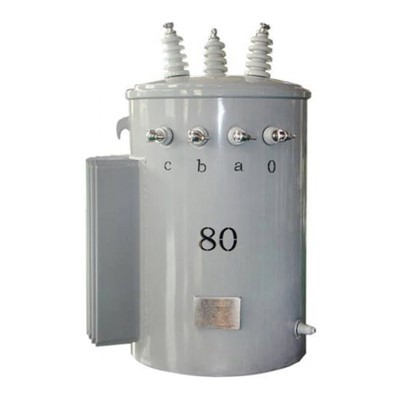
What is Temperature Rise in Dry Type Transformers?
Temperature rise refers to the increase in temperature of a dry type transformer above the ambient temperature during its operation. Ambient temperature is the temperature of the surrounding environment where the transformer is installed. For instance, if the ambient temperature is 25°C and the temperature of the transformer’s windings reaches 75°C during operation, the temperature rise is 50°C (75°C – 25°C).
This temperature increase occurs primarily due to the losses generated within the transformer. There are two main types of losses in a dry type transformer: copper losses and iron losses. Copper losses, also known as I²R losses, are caused by the resistance of the transformer’s windings. When current flows through the windings, the electrical energy is partially converted into heat due to the resistance of the copper conductors. Iron losses, on the other hand, are divided into hysteresis losses and eddy current losses. Hysteresis losses arise from the magnetization and demagnetization of the transformer’s core, while eddy current losses are due to the induced currents in the core.
Causes of Temperature Rise
-
Load Current: One of the most significant factors affecting temperature rise is the load current. As the load on the transformer increases, so does the current flowing through the windings. According to the formula for copper losses (P = I²R), where P is the power loss, I is the current, and R is the resistance of the windings, an increase in current results in a quadratic increase in copper losses. This leads to a higher temperature rise within the transformer.
-
Ambient Temperature: The ambient temperature has a direct impact on the initial temperature of the transformer. If the ambient temperature is high, the transformer starts at a higher base temperature, and any additional heat generated during operation will cause a greater overall temperature rise. For example, in a hot climate, the transformer may already be exposed to an ambient temperature of 40°C or more, leaving less margin for temperature increase before reaching the maximum allowable limit.
-
Transformer Design and Construction: The design and construction of the transformer also play a crucial role in determining its temperature rise. Factors such as the type of insulation material used, the size and configuration of the windings, and the efficiency of the cooling system can all affect how much heat is generated and dissipated. High – quality insulation materials with good thermal conductivity can help transfer heat away from the windings more effectively, reducing temperature rise.
-
Overloading: Operating the transformer beyond its rated capacity, or overloading, is a common cause of excessive temperature rise. When a transformer is overloaded, the current flowing through the windings exceeds the design limits, resulting in a significant increase in copper losses and temperature. Overloading can occur due to unexpected increases in load demand or improper sizing of the transformer during the installation process.
Significance of Temperature Rise
-
Insulation Life: The temperature rise of a dry type transformer has a profound impact on the lifespan of its insulation system. Insulation materials degrade over time due to the effects of heat, oxidation, and electrical stress. As the temperature rises, the rate of insulation degradation increases exponentially. For every 8 – 10°C increase in temperature above the rated temperature, the lifespan of the insulation can be reduced by half. Maintaining a low temperature rise is essential for ensuring the long – term reliability and durability of the transformer.
-
Performance and Efficiency: Excessive temperature rise can also affect the performance and efficiency of the transformer. As the temperature increases, the resistance of the windings increases, which in turn leads to higher copper losses. This not only reduces the overall efficiency of the transformer but also results in more energy being wasted as heat. Additionally, high temperatures can cause the magnetic properties of the core to change, leading to increased iron losses and reduced performance.
-
Safety: High temperature rise can pose a safety hazard. If the temperature of the transformer exceeds the maximum allowable limit, it can cause the insulation to break down, leading to electrical shorts and potential fires. Ensuring that the temperature rise is within the specified limits is crucial for maintaining the safety of the electrical system and the surrounding environment.
Measuring and Controlling Temperature Rise
-
Temperature Sensors: To monitor the temperature rise of a dry type transformer, temperature sensors are typically installed at critical points, such as the windings and the core. These sensors can provide real – time temperature readings, allowing operators to detect any abnormal temperature increases and take appropriate action. Some advanced transformers are equipped with built – in temperature monitoring systems that can send alerts to the control room when the temperature exceeds a predefined threshold.
-
Cooling Systems: Proper cooling is essential for controlling the temperature rise of a dry type transformer. There are several types of cooling systems available, including natural air cooling (AN), forced air cooling (AF), and liquid cooling. Natural air cooling relies on the natural convection of air to dissipate heat from the transformer. Forced air cooling, on the other hand, uses fans to circulate air around the transformer, increasing the rate of heat transfer. Liquid – cooled transformers use a coolant, such as oil or water, to absorb and transfer heat away from the transformer.
-
Load Management: Effective load management is another important strategy for controlling temperature rise. By carefully monitoring the load on the transformer and avoiding overloading, the temperature rise can be kept within acceptable limits. This may involve redistributing the load among multiple transformers, scheduling maintenance during periods of low load, or upgrading the transformer to handle higher loads.
How Our Company Addresses Temperature Rise
As a leading supplier of dry type transformers, we take temperature rise very seriously. Our transformers are designed with high – quality insulation materials that have excellent thermal properties, ensuring efficient heat transfer and low temperature rise. We also use advanced cooling systems, such as forced air cooling, to enhance the heat dissipation capacity of our transformers.
In addition, our team of experienced engineers conducts rigorous testing during the manufacturing process to ensure that each transformer meets or exceeds the industry standards for temperature rise. We provide detailed technical specifications and recommendations for installation, operation, and maintenance to our customers to help them optimize the performance of our transformers and minimize temperature rise.

If you’re in the market for a dry type transformer, understanding temperature rise is essential for making an informed decision. Our company offers a wide range of dry type transformers with different ratings and configurations to meet your specific needs. Whether you’re looking for a small transformer for a residential application or a large – scale transformer for an industrial facility, we have the expertise and products to provide you with a reliable and efficient solution.
Power Transformer If you’re interested in learning more about our dry type transformers or have any questions regarding temperature rise or other technical aspects, we encourage you to contact us for a detailed discussion. Our sales team is ready to assist you with product selection, pricing, and any other inquiries you may have. We look forward to partnering with you to meet your electrical power needs.
References
- "Handbook of Transformer Technology: Design, Application, and Testing" by N. H. Hameedullah.
- "Power Transformers: Theory and Design" by J. Arrillaga and N. R. Watson.
- Industry standards such as IEEE Std C57.12.01™ – 2019 for dry – type distribution and power transformers.
Nantong Yawei New Energy Technology Co., Ltd.
As one of the most professional dry type transformer manufacturers and suppliers in China, we’re featured by quality products and good service. Please rest assured to wholesale durable dry type transformer made in China here from our factory. Customized orders are welcome.
Address: Room 28-101, Building 27 and 28, No.333 Kaiyuan Avenue, Sunzhuang Subdistrict, Hai’an City, Nantong City, Jiangsu Province, China
E-mail: admin@nantongyawei.com
WebSite: https://www.nantongyawei.com/
